A Week in the Life of Lugh

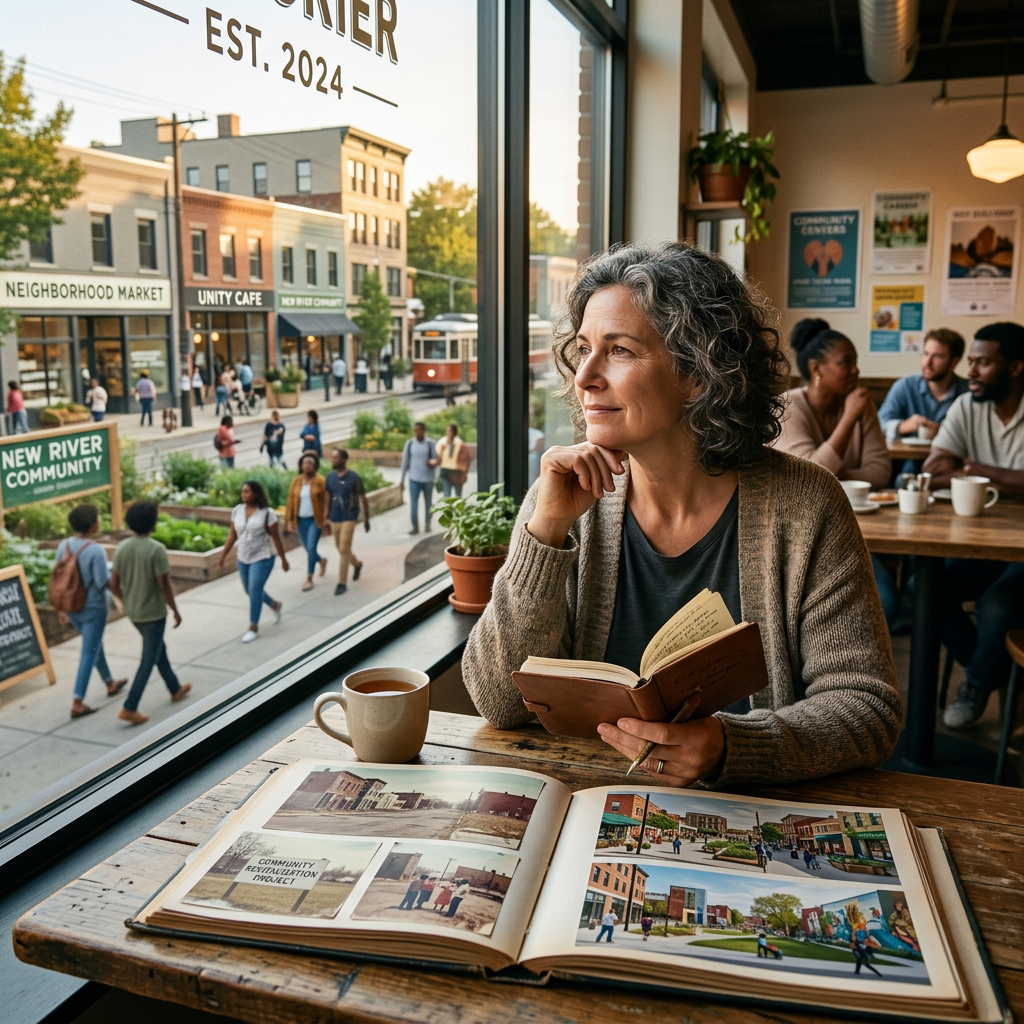
Woman sitting in armchair writing in journal with tarot cards on table

Fire, Paperwork, Pagan Trouble, and One Very Tired Coffee Cup

Well now, friends, Bucky Beggins here, reporting from somewhere between the candle flame, the coffee cup, the garden dirt, and whatever strange little corner of the universe keeps approving and rejecting book titles for sport.

It has been one of those weeks in Lugh’s life where the gods did not so much whisper as clear their throats loudly from across the room.

There was writing. There was rewriting. There was a book title that apparently wandered too close to someone else’s fence line and had to be renamed before the gatekeepers of the great digital bookstore would let it pass. There was a moment of muttering, a moment of staring at the screen, and then the decision was made: fine then, we will rename the thing, rework the thing, and send it back into the world with its boots still muddy.

And wouldn’t you know it, just when Lugh braced himself for another round of nonsense, the book passed.

That is how life goes sometimes. You prepare for battle, sharpen the axe, light the fire, summon the ancestors, and then someone from Amazon says, “Congratulations.”

Strange magic, that.

But books were only part of the week. There was also the matter of community, and that is a heavier kettle to carry.

Lugh found himself standing at the edge of the circle again. Not fully inside. Not fully gone. Watching the center, wondering what happened to the old feeling of belonging, and wondering whether the ache was longing, anger, grief, or just plain exhaustion wearing three cloaks at once.

That is not an easy place to stand.

Many pagans know that place, though few like to admit it. The place where you miss the people and want nothing to do with them. The place where you crave connection and distrust the room. The place where the fire still matters, but the gathering around it feels complicated.

There was some public conversation too. Some opinion. Some concern. Some clarification. Some careful walking through words so that concern did not become accusation, and reflection did not become a torch thrown into dry grass.

That is a narrow path.

And if Buck may say so, Lugh walked it about as carefully as a man can while still being honest. Not perfect. Nobody is. But careful. Clear. Trying to speak from concern, not destruction. Trying to ask questions without burning the hall down.

There is a lesson in that for modern pagan life. We like to speak of fire, but fire is not only passion. Fire is also responsibility. A hearth warms. A wildfire devours. Knowing the difference matters.

Meanwhile, life went on in its stubborn little mortal way.

The garden still needed tending. The course work still needed doing. The coffee still needed drinking. The candles still needed lighting. The old gods, the land spirits, and the small household mysteries still waited in the quiet places.

Brigid was there in the forge of words.

Skadi was there in the cold clarity of boundaries.

Ratatoskr was probably running up and down the world tree yelling, “Did you see what happened on the internet today?”

And the landvættir, I suspect, were standing near the edge of the garden with crossed arms, reminding everyone that whatever human storm is blowing through, the peas and peppers still expect attention.

That may be the most pagan thing of all.

Not the drama. Not the title. Not the arguments over what counts as pagan enough, political enough, traditional enough, modern enough, angry enough, gentle enough, reconstructed enough, devotional enough, or marketable enough.

No.

The pagan thing is this: the week happens, the heart gets bruised, the world gets loud, and still the candle is lit.

Still the hands go into the dirt.

Still the book gets written.

Still the questions are asked.

Still the man at the edge of the circle does not entirely walk away.

That was Lugh’s week, near as Buck can tell. A week of blocked titles, open doors, sore feelings, stubborn honesty, community ache, and small sacred continuance.

Not a clean week. Not an easy week. But a living one.

And sometimes, dear friends, living weeks are the only kind that teach us anything worth keeping.

So tonight, light the candle if you have one. Pour the coffee if you need it. Step outside and nod to the land if you can. The circle may feel strange. The road may feel uncertain. The fire may feel low.

But low fire is still fire.

And Lugh, stubborn firekeeper that he is, appears to still be standing beside it.

Godspeed,
Bucky Beggins

Making Room for Questions, Care, and Community

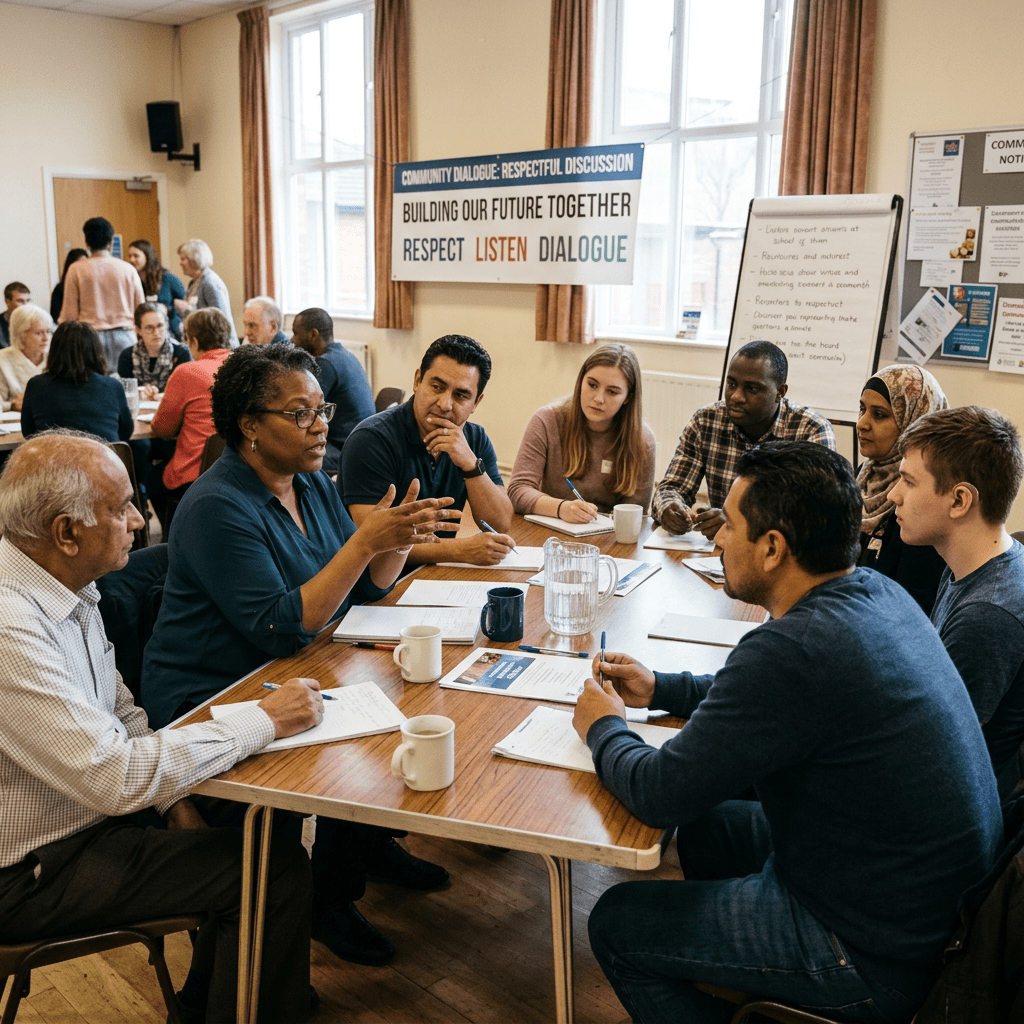
Diverse adults sitting around a table in discussion during a community dialogue meeting

Note: This is a personal reflection offered in good faith. It is not an accusation, not a claim of wrongdoing, and not a statement against any individual, group, organization, or community space.

Hey there, my dear Unplugged Pagans.

This is a follow-up to my earlier post.

Yes, it generated some traffic. Yes, I understand that some people may have strong feelings about it. When people care deeply about a community, a place, a festival, a tradition, or a shared history, emotions can rise quickly.

I want to begin from a place of respect.

I am not insinuating wrongdoing. I am not accusing anyone of anything. I am not suggesting that any individual has acted improperly. I am not speaking from private conversations I have not had.

As I said before, I have not had discussions with anyone connected to that pagan space regarding these concerns.

What I shared was personal reflection. Personal concern. Personal opinion. Questions from a general perspective.

And I believe there is room for that.

Concern Can Come From Care

Sometimes concern is not an attack.

Sometimes concern is a sign that something still matters to us.

When we notice change in a community space, it does not mean we are against that space. It may mean we remember what it has meant to people. It may mean we are trying to understand where it is going. It may mean we are trying to hold memory, care, and hope at the same time.

That is where I am trying to stand.

I am not interested in tearing anything down. I am not interested in assigning blame. I am not interested in creating division for the sake of division.

I am interested in honest reflection, careful language, and the hope that community can make room for questions without immediately turning those questions into conflict.

Communication Under Load

One of the lessons I keep returning to from Standing on the Ledge, and from my work around communication and conflict management, is this:

When pressure rises, clarity matters.

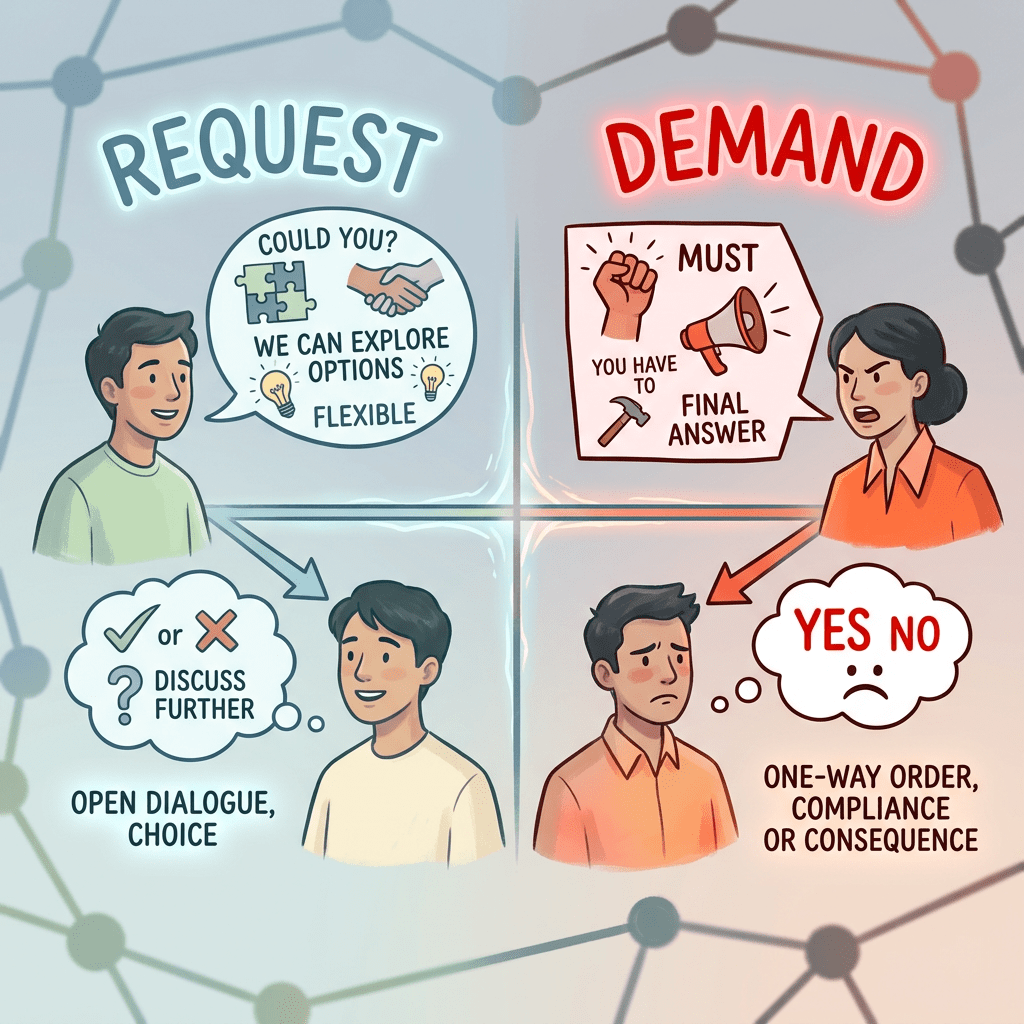
Under pressure, people can hear concern as accusation. They can hear questions as judgment. They can hear reflection as attack.

That is why I want to slow this down and be clear.

I am asking questions from a place of care, not condemnation.

I am sharing concerns from a place of reflection, not accusation.

I am speaking as someone who values community, tradition, shared spaces, and the people who have helped build them.

Change Is Not Always Simple

From an organizational behaviour perspective, communities change over time.

Volunteer spaces can become more structured. Informal gatherings can develop formal systems. Festivals can grow, move, reorganize, professionalize, or take on new responsibilities.

None of that is automatically wrong.

Growth can be good. Structure can be useful. Leadership can be necessary. Change can help something survive.

At the same time, change can also feel complicated for people who remember earlier versions of a space. Some may feel excited. Some may feel uncertain. Some may feel nostalgic. Some may need time to understand what has shifted.

That does not make anyone the enemy.

It simply means people are processing change from different places.

Questions Can Strengthen Community

I believe healthy communities can hold thoughtful questions.

Not hostile questions. Not cruel questions. Not questions meant to wound.

But honest questions.

Questions about direction. Questions about belonging. Questions about memory. Questions about how change is communicated. Questions about how people remain connected as a space evolves.

Those questions do not have to weaken a community.

Handled well, they can strengthen it.

They can help people listen better. They can help clarify misunderstandings. They can help honour what came before while still making room for what comes next.

Why I Am Not Retracting the Previous Post

At this point, am I going to retract the previous post?

Most likely not.

Not because I want conflict. Not because I want anyone upset. Not because I believe anyone has done anything wrong.

I am not retracting it because it was my personal opinion and my personal reflection.

It was not an allegation. It was not a charge. It was not a statement of wrongdoing. It was not aimed at any individual.

It was a reflection on change, community, and concern.

People are allowed to disagree with me. People are allowed to see things differently. People are allowed to feel protective of the spaces they love.

I respect that.

My hope is that disagreement does not have to become hostility.

Standing on the Evidence, Not the Heat

One of the ideas from Standing on the Ledge that applies here is the difference between reacting from heat and returning to evidence.

The heat says, “People are upset, so everything must be broken.”

The evidence says, “What was actually said? What was not said? What can be clarified? What tone can be improved? What care can still be offered?”

So here is the clarification, offered plainly and respectfully:

I am not making accusations.

I am not insinuating wrongdoing.

I am not claiming private knowledge.

I am not asking anyone to take sides.

I am sharing personal concerns, personal observations, and general questions about community, change, communication, and belonging.

And I am doing my best to do that with care.

A Hopeful Way Forward

My hope is simple.

I hope we can care about community spaces without becoming afraid to ask questions.

I hope we can disagree without assuming the worst of one another.

I hope we can honour the people who built things, the people who maintain things, and the people who are trying to understand where things are going.

I hope we can remember that a community is not only a place or an event. It is also the way people speak to one another when things feel uncomfortable.

That is the ground I am trying to stand on.

With respect, care, and hope.

Thank you.

Godspeed.

The Earth Will Survive Us

Silhouette of a person dissolving into glowing particles with a sunset mountain landscape
CAUTION THIS POST MAY OFFEND SOME

There is something deeply uncomfortable about admitting that humanity is temporary.

Not metaphorically temporary.

Not politically temporary.

Not “we need to change our ways or things will get difficult” temporary.

I mean temporary in the older, colder, truer sense.

One day, human beings will be gone.

Maybe by our own hand. Maybe by disease. Maybe by climate, war, asteroid, famine, mutation, time, or some force we do not yet have a name for. Maybe not for thousands of years. Maybe not for millions.

But eventually?

Yes.

Eventually, we pass too.

Reader’s Moment

If that thought unsettles you, good.

It should.

Not because it is hopeless, but because it cuts through one of the deepest illusions modern humanity carries: the belief that we are permanent.

We build as if we are permanent.

We consume as if we are permanent.

We make plans as if history bends toward us forever.

Even our environmental language often carries the same arrogance.

We say we are going to save the Earth.

But are we?

Or are we trying to save the conditions that make human life comfortable, possible, and familiar?

That is not the same thing.

The Earth Is Not the Fragile One

The Earth has endured fire, ice, extinction, impact, flood, volcanic winters, shifting continents, poisoned atmospheres, and oceans that rose and fell long before anything resembling a human being stood upright and gave itself a name.

She has buried worlds before us.

She will bury ours too.

That is not cruelty.

That is time.

The Earth is not a glass ornament sitting on the edge of a shelf, waiting for humanity to catch it before it falls.

She is older than our prayers.

Older than our gods.

Older than our languages.

Older than our grief.

And if humanity vanished tomorrow, the wind would still move.

The rain would still fall.

The roots would still search downward.

The fungi would continue their quiet work.

Something would crawl, bloom, rot, adapt, and begin again.

Life may change shape, but the Earth does not require our permission to continue.

That Is the Revelation People Fear

I do not think people are only afraid of environmental collapse.

I think they are afraid of insignificance.

They are afraid of realizing that humanity may not be the main character of creation.

They are afraid of looking at the long story of this planet and seeing that we are recent.

A brief flame.

A loud animal.

A clever ape with tools, myths, machines, and a dangerous belief in its own importance.

That does not mean we are meaningless.

It means we are not eternal.

There is a difference.

The Problem With “Saving the Earth”

This is where I become cautious with some modern environmental thinking.

Not because I believe pollution is fine.

Not because I think forests should be stripped, rivers poisoned, animals erased, or every living thing turned into profit.

I do not believe that.

But I also do not believe every action taken under the banner of “saving the Earth” is automatically wise, balanced, or sacred.

Human beings have a bad habit of panicking in one direction after causing damage in another.

We create a problem through arrogance, then try to fix it with more arrogance.

We strip-mine in the name of green progress.

We industrialize our solutions.

We replace one form of extraction with another.

We call it sustainability because the slogan sounds cleaner than the machinery behind it.

That is not reverence.

That is rebranding.

A Pagan View of Extinction

From a pagan perspective, extinction is not unnatural.

That may be hard to hear.

But nature is not a museum.

Nature does not freeze every species in place because we find them beautiful, useful, symbolic, or emotionally comforting.

Things arise.

Things flourish.

Things decline.

Things vanish.

The leaf falls.

The body returns.

The bone becomes soil.

The old forest burns and something else grows where it stood.

This is not a failure of the sacred order.

This is the sacred order.

The mistake is believing humanity somehow stands outside that cycle.

We do not.

Humility, Not Hopelessness

Now, this does not mean we shrug and say, “Nothing matters.”

That is not wisdom.

That is laziness wearing a dark cloak.

The fact that humanity is temporary does not excuse carelessness.

A flower is temporary too.

So is a deer.

So is a fire.

So is a human life.

And yet we still tend the garden, feed the animals, honour the hearth, bury our dead, protect our children, and try not to poison the well we drink from.

Temporary things still matter.

Maybe they matter because they are temporary.

But we need to be honest about what we are protecting.

We are not saving the Earth.

We are trying to preserve a livable place for ourselves, our children, and the other beings currently sharing this age with us.

That is a worthy goal.

But it is not the same as pretending the planet cannot go on without us.

The Earth Does Not Need Our Ego

The Earth does not need our saviour complex.

She does not need our panic dressed up as virtue.

She does not need us to pretend every new technology is automatically salvation because someone placed a green label on it.

She does not need another priesthood of experts, corporations, politicians, and marketers telling ordinary people that salvation can be purchased in a newer, cleaner package.

What she may require from us, while we are here, is much simpler and much harder.

Restraint.

Humility.

Reverence.

Honesty.

The ability to say, “This helps us, but it still costs something.”

The ability to say, “This solution may not be as clean as we were told.”

The ability to say, “We are not gods. We are participants.”

The Old Lesson

The old ways never promised that human beings would last forever.

The old stories are full of endings.

Worlds burn.

Gods fall.

Winters come.

Kingdoms rot.

Heroes die.

Even the mighty are eventually taken back into the great turning.

That is not nihilism.

That is perspective.

To walk a pagan path is not to pretend nature is soft.

It is to know that nature is beautiful, brutal, generous, indifferent, intimate, and vast.

It feeds the lamb and the wolf.

It grows the healing herb and the poison berry.

It gives the harvest and the killing frost.

It gives birth, and it takes back.

Always.

So What Do We Do?

We live well while we are here.

We stop pretending our comfort is the centre of the universe.

We stop calling every human fear a planetary emergency.

We stop using “saving the Earth” as a way to avoid saying, “We are afraid of our own ending.”

We plant trees anyway.

We protect water anyway.

We waste less anyway.

We question easy answers anyway.

We resist greed anyway.

We honour the land anyway.

Not because we are immortal.

Not because we are saviours.

Not because the Earth will collapse into nothing without us.

But because relationship matters while it exists.

Because the hearth matters even though the fire eventually burns down.

Because the song matters even though the singer dies.

Because the path matters even though no one walks it forever.

The Hard Comfort

Humanity will pass.

That is not a curse.

That is the same law that governs leaf, bone, star, empire, forest, and flesh.

The Earth will survive us.

Perhaps changed by us.

Perhaps scarred by us.

Perhaps relieved of us.

But she will continue in some form, because continuation is what she has always done.

The question is not whether we can make ourselves eternal.

We cannot.

The question is whether, while we are here, we can become humble enough to live as kin instead of conquerors.

That may be the real spiritual work.

Not saving the Earth.

Saving ourselves from the illusion that we were ever outside her reach.

Godspeed, fellow walkers of the old paths.
When the Cups Empty

Person standing on lakeshore with arms outstretched during sunrise, mountains and mist in background

Morning Threshold Ritual: Listening for the Call

This morning’s ritual is for days when the heart feels in-between.

Not broken open.
Not fully restored.
Simply standing at the threshold, listening for what comes next.

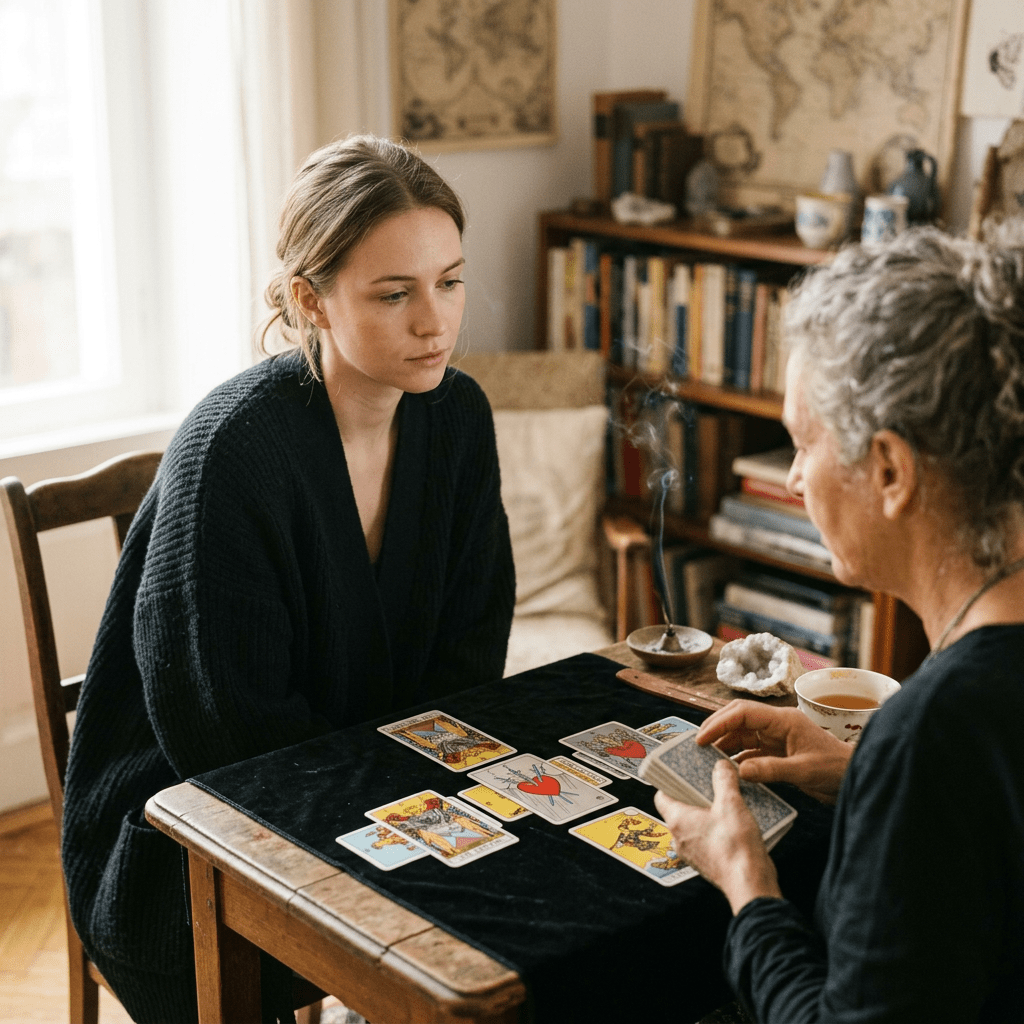
Today’s cards:

Past: Five of Cups reversed
Present: Eight of Cups
Future: Nine of Wands reversed
Querent: Judgment reversed

Brigid of the hearth-fire,
Keeper of flame, healing, and holy inspiration,
be present here.

Skadi of the mountain and the winter silence,
Lady of cold truth, endurance, and clean distance,
be present here.

Ratatoskr, runner of the World Tree,
Bearer of messages between root and branch,
help me hear what is true and release what is only noise.

Spirits of the Druidic Three—
Waters that feel,
Earth that steadies,
Sky that calls—
be with me now.

Let this reading be clear.
Let this reading be honest.
Let this reading serve wisdom, not fear.

Speaking the Cards

Past — Five of Cups Reversed

I honor what has been spilled.

I honor the grief that narrowed my sight.
I honor the sorrow that made loss feel larger than life itself.

But I also honor what remains.

Not everything was taken.
Not everything was destroyed.
Not everything sacred was lost.

Brigid, help me see the embers that still live beneath the ash.

Waters, help me release what has already begun to loosen.

I do not deny the hurt.
But neither will I let hurt become my only story.

Present — Eight of Cups

I stand before what once held meaning.

I stand before what once nourished me.
I stand before what may still look whole from the outside.

And yet, my spirit knows when something has gone hollow.

Skadi, give me the courage to leave what no longer feeds the soul.

Ratatoskr, teach me which messages are worth carrying and which must be laid down.

I do not need disaster to justify departure.
I do not need collapse to bless a leaving.
I am allowed to walk toward cleaner air.

Future — Nine of Wands Reversed

I acknowledge my weariness.

I acknowledge the strain of always bracing,
always guarding,
always enduring.

Fatigue is not failure.
Exhaustion is not shame.
The body tells the truth when the mind would rather pretend.

Brigid, heal what has been overtaxed.
Skadi, teach me the wisdom of conserving strength.
Earth, remind me that survival mode is shelter, not homeland.

I release the need to prove my strength through depletion.

Querent — Judgment Reversed

I know the call has already sounded.

Some truth in me has already stirred.
Some old chapter in me has already ended.
Some deeper self is already waiting to rise.

And yet I hesitate.

I hesitate before change.
I hesitate before truth.
I hesitate before becoming what I already sense I must become.

Ratatoskr, help me hear the truest message.
Brigid, burn away false judgment.
Skadi, leave only what is clean and real.
Sky, help me answer what I already know.

I do not need perfect certainty to begin.
I need only one honest step.

Reflection

The grief is shifting.
The road is opening.
The body is speaking.
The soul has heard the call.

I will not drag every empty cup into the next chapter.
I will not make a religion of exhaustion.
I will not mistake self-judgment for wisdom.

I will listen.
I will leave what must be left.
I will rest where rest is holy.
I will answer what is true.

Closing Blessing

Brigid, guard the ember.
Skadi, guard the path.
Ratatoskr, guard the message.

Waters, cleanse what clings.
Earth, steady what remains.
Sky, open what is next.

May I walk in truth.
May I rest without guilt.
May I leave without bitterness.
May I answer without fear.

For this morning, one honest step is enough.

Godspeed.

Broken, Still Trying: Light, Shadow, and the Ones Who Had Our Back

Some days, “still trying” is the whole victory.

Good evening. Standing on the Ledge.

I’m not sure yet whether this belongs on Unplugged Pagan or Standing on the Ledge. Maybe it belongs in both places — because some truths don’t care what label we put on them. They just show up when we need them.

Something crossed my feed today — a meme that was titled “Broken but Still Trying.” It hit that familiar nerve: the quiet kind of tired, the private kind of pain, the kind you carry without putting it on display.

I’m not going to repost it word-for-word here. But the heart of it was simple: some days I feel broken… and still I wake up and try again. Small steps. Easy steps. Breathing through the ache. Not giving up.

And that brought me back to an old friend — someone I’ve mentioned before. He’s not with us anymore. I miss him. And I want to share something he wrote that once steadied me:

When you are on your path and are walking towards that which lights your way, there will be a shadow behind you. If you don’t see the shadow, but trust that it is with you, then you’re going in the right direction. Keep moving forward, and we will have your back.

There was another line that circled this same idea — sometimes attributed as a Māori proverb, sometimes shared without a clear source:

Turn your face to the sun, and the shadows will fall behind you.

My friend went further in that post, and it stuck with me:

I like the idea that there are always lights, and where there are lights, there are shadows. If we are the shadows, we can keep the bad things away.

Knowing him, it’s a little haunting and a little perfect. He dressed in black. He lived near the edges of rooms. He had that way of “lurking” that wasn’t menace — it was watchfulness. Protective. Like he was taking the seat nobody else wanted, because he believed someone had to.

And it makes me wonder what he meant by “bad things.” What was he chasing off? What was he guarding against?

I don’t know. But I recognize the shape of it.

Sociologically, people like that often become unofficial keepers of the perimeter. Every group has them — the ones who notice what others ignore, who absorb tension so others can laugh, who stand between the fragile and the sharp. Sometimes they do it because they’ve learned the world can turn fast. Sometimes because nobody protected them when it mattered. So they choose to be the shadow on purpose.

Psychologically, this is what meaning-making can look like when life has left dents. If you can’t erase pain, you try to give it a job. You turn it into vigilance, loyalty, guardianship. You make a story strong enough to carry what you’ve survived.

Someone else commented on that same thread: “It is in the darkest shadows that the work is done for the brightest lights.” And another: “The brighter the flames, the darker the shadows.”

Light and dark. Flame and shadow. Trying and breaking and trying again.

Here’s what I’m taking from all this tonight:

If you’re still moving — even badly, even slowly, even with tears in your throat — you’re not finished. If you’re facing the light, the shadow behind you isn’t proof that something is wrong. It can be proof that you’re walking forward.

And if you can’t see who has your back right now — if the grief is loud, if the room feels empty — you can still trust this: the people who mattered leave their fingerprints on how we keep going. Sometimes that’s the only kind of “afterlife” we can prove. A sentence that steadies you. A memory that stands watch. A shadow that says, keep moving.

That’s all for today. Godspeed.