What Grew Between Equinox and Solstice

Sunset over a pond in a flower-filled garden with trees and a small wooden bridge

Well, my dear Unplugged Pagans, we have reached the Summer Solstice.

The sun has climbed as high as it will climb. The day has stretched itself to its greatest length, and for one brief moment, the Wheel appears to pause beneath the long light.

This is traditionally a time of celebration: fire, flowers, gardens, green fields and the fullness of the living world.

But the Solstice is also a good place to stop and look behind us.

Not all the way back.

Just far enough to ask what has changed since the Spring Equinox.

What was planted?

What survived?

What failed to take root?

And what grew without us noticing?

The Season Began in Cold Ground

Spring did not arrive all at once this year.

The calendar said the season had changed, but the ground was still cold. Frost remained possible. Seedlings were ready in spirit long before the land was ready to receive them.

That became one of the first lessons of this season:

Do not force the planting simply because you are tired of waiting.

Some things need preparation before exposure.

Some things need another night indoors.

Some things must remain protected until their roots are strong enough to survive the weather.

That was true of the garden, but it was also true of me.

There were plans forming. Papers moving. Books being written. Courses beginning. Old structures closing and unfamiliar ones opening. There was a temptation to treat every movement as a demand for immediate action.

Spring kept answering:

Not yet.

Prepare the soil.

Clear the ground.

Strengthen the roots.

The season will come.

The Gods, Spirits and Sacred Companions

During these months, Brigid, Skadi, Ratatoskr, the fir tree and the landvættir became more than names spoken during a card reading or placed around a seasonal ritual.

They became ways of understanding the weather of my life.

Brigid and the Useful Flame

Brigid was found at the workbench and upon the page.

She was not merely the attractive flame upon an altar. She was the useful fire: the kettle, the desk lamp, the forge and the stubborn effort to make something worthwhile from whatever life had handed me.

Her fire did not demand spectacle.

It asked to be tended.

It reminded me that inspiration is not only the sudden arrival of beautiful words. Inspiration is also the discipline required to remain at the page until the words finally come.

Skadi and the Clean Boundary

Skadi stood at the cold boundary.

She did not pretend the mountain was warm. She did not apologize for the winter, nor did she promise that every path would be easy.

She taught that discomfort is not always danger, patience is not surrender and a clean boundary does not become cruelty simply because someone else dislikes it.

There are times to open the door.

There are also times to close it against the storm.

Ratatoskr and the Noise in the Branches

Ratatoskr ran through the noise.

Messages, worries, emails, interpretations, old memories and imagined disasters travelled endlessly between root and crown.

His lesson was not simply to listen.

It was to discern.

Not every thought is prophecy.

Not every message deserves an answer.

Not every fear needs to be carried from the roots to the highest branches.

The Fir Tree That Remained Standing

The fir tree remained standing.

Not untouched.

Not unweathered.

Standing.

Evergreen did not mean that winter had failed to reach it. It meant that something living remained despite the winter.

That may be the clearest description of this spring.

Something living remained.

The Landvættir Beneath Every Step

The land spirits were present beneath all of it.

They were in the soil that accepted the seed, the stones that marked the boundaries, the trees that held the birds and the roadside places passed during long journeys.

The landvættir reminded me that no spiritual path exists entirely inside the mind.

We walk somewhere.

We plant somewhere.

We build, rest, grieve and begin again upon actual ground.

To honour the spirits of the land is to pay attention to where we place our feet and what we leave behind us.

Paganism Came Down From the Shelf

This season stripped away more of the performance surrounding spiritual practice.

The sacred did not always arrive through a formal ritual.

Sometimes it arrived through a roadside card reading.

Sometimes through cancelling an expense that no longer served.

Sometimes through planting potatoes left over from the previous harvest.

Sometimes through clearing a room, backing up an old computer, going to work, coming home or admitting that the body had carried enough for one day.

The altar and the workbench began speaking to one another.

The prayer and the plan sat at the same table.

Kevin and Lugh stopped appearing like two separate people and became two names belonging to one life.

One handles the paperwork.

One remembers the fire.

Most days, both are doing both.

That integration may be one of the most important things to have grown during this part of the Wheel.

Spirituality became less of a separate room entered for special occasions and more of a way to remain present while dealing with ordinary reality.

A candle does not solve the problem, but it may steady the hand that does.

Some Roots Had to Be Examined

Spring also brought old land, old relationships and old ideas of community back into view.

That was not always comfortable.

It raised questions about belonging, stewardship, memory, frith, loyalty and the difference between tending something and possessing it.

There are places we once called home that may no longer be home.

There are communities we helped build that may no longer remember the hands that carried the wood.

There are relationships that were real, meaningful and sacred in their season, yet no longer bind us in the same way.

Honouring the past does not require returning to live inside it.

Remembering does not create an obligation to repair everything we once touched.

Sometimes the sacred act is to stand at the edge of the old place and say:

I remember.

I honour.

I release what is no longer mine to carry.

Release does not mean forgetting the roots.

Roots are not always tidy. They are tangled, buried and difficult to display. They are the old stories, early labour, first fires, shared meals, mistakes, relationships and acts of care that allowed something to grow.

A tree may keep its sign, its branches and its impressive appearance for a time after its roots have been damaged.

But appearance is not health.

This spring taught me to pay closer attention to what exists beneath the surface.

To choose the hearth over the hoard.

To choose kith and kin over gold and silver.

To remember that community is not measured by how many people gather when the fire is spectacular. It is revealed by who carries wood, who respects the boundary and who remains when the ash must be dealt with.

The River Needed Banks

There was another lesson running through these months.

Compassion without boundaries becomes a flood.

A request is not the same as a command. Patience is not endless consent. Helping someone does not require becoming the storage place for everything they refuse to carry.

The river needed banks.

The fire needed a hearth.

The house needed room to breathe.

And the mind needed to stop treating every difficult day as a prophecy about the rest of life.

Exhaustion is not always revelation.

Loneliness is not always destiny.

A difficult day is not a life sentence.

Sometimes the most spiritual sentence available is simply:

I cannot take anything else on right now.

No elaborate ritual.

No dramatic declaration.

Just a boundary strong enough to keep the river from washing away its own shore.

And Still, Something Was Planted

By the time the soil warmed, the garden began moving.

Peas went into the earth.

Pepper plants faced the rain.

Old potatoes became seed for a new season.

That image has stayed with me.

Sometimes the old harvest becomes the next planting.

What survived winter may not look impressive. It may appear wrinkled, forgotten or past its usefulness. But under the right conditions, something within it still knows how to grow.

Perhaps that is what these months have really been about.

Not becoming someone entirely new.

Not pretending the winter never happened.

Taking what remained and placing it carefully into new ground.

Plant anyway.

Not recklessly.

Not before the soil is ready.

But when the season opens, plant.

Standing in the Long Light

And now we arrive here.

The Summer Solstice.

The longest day.

The high point of the sun.

Yet even this day casts a shadow.

That is not an insult to the light. It is what makes the light honest.

From here, the days begin to shorten. The Wheel turns even while we celebrate its fullness. Growth continues, but the first distant suggestion of harvest has already entered the field.

So what grew between Equinox and Solstice?

A clearer boundary.

A more honest practice.

A deeper understanding of the gods and spirits walking beside me.

A garden.

A body of writing.

A bridge between the spiritual and practical parts of my life.

A willingness to remember old roots without chaining myself to old ground.

And perhaps most importantly, the understanding that being a firekeeper does not depend upon having a crowd gathered around the flame.

Sometimes the keeper’s work is to protect one clean ember after the gathering has ended.

I did not arrive at the Solstice healed, finished or triumphant.

I arrived more honest.

More rooted.

More aware of what is mine to carry and what must be placed back upon the ground.

The light did not erase the winter.

It revealed what survived it.

So on this longest day, I will not demand a grand celebration from myself.

I will look at what is growing.

I will water what needs water.

I will pull what needs pulling.

I will let some things remain wild.

I will thank Brigid for the useful flame.

I will thank Skadi for the clean boundary.

I will thank Ratatoskr for the lesson of discernment.

I will honour the fir tree for remaining green through the winter.

I will acknowledge the landvættir—the spirits of the land—for the ground beneath every step, every seed and every returning.

Then I will stand for a moment in the long light.

Not because it will last.

Because it is here.

That is it. That is all for now, my dear Unplugged Pagans.

Godspeed.

The First Altar was Fire

Group of prehistoric people sitting around a campfire in a cave with animal paintings on walls

Before there was a temple, there was a fire.

Before there was a priesthood, there was someone awake in the darkness, watching the coals.

Before there were written prayers, there were hands held toward warmth, faces glowing in the light, and human beings looking into a flame as though something on the other side might be looking back.

That may be where religion began.

Not necessarily with a god descending from the sky. Not with a book. Not with a building. Perhaps it began with a small circle of frightened, hungry people gathered around something they did not completely understand.

Fire gave warmth, but it also burned.

Fire protected, but it could also escape.

Fire cooked food, hardened tools, frightened predators and pushed back the darkness. Yet it demanded attention. It could not simply be possessed. It had to be fed, watched and respected.

In other words, fire entered into a relationship with us.

And we have never been the same.

Before Fire Belonged to Us

We will never know the name of the first human ancestor who carried a living ember away from a natural fire.

I sometimes wonder what that moment looked like.

Was it a branch still burning after lightning struck a tree? Was it a smouldering root dug from the edge of a grass fire? Did one person recognize that the glowing thing could be carried while everyone else backed away from it?

There is no written history of that moment. There could not be. It happened long before writing, long before cities and possibly long before our own species appeared.

In June 2026, researchers studying South Africa’s Wonderwerk Cave published evidence of repeated burning deep inside the cave in deposits that may be between approximately 1.07 and 1.79 million years old. Burned small-animal bones were found far enough inside the cave that an ordinary grass fire could not reasonably have reached them. The researchers were careful with their language: this suggests that early human ancestors were bringing or using fire inside the cave, but it does not necessarily prove that they could make fire whenever they wanted.[1]

That distinction matters.

There may have been a long period when humans could use fire but could not reliably create it.

Imagine the responsibility that would place upon the person tending the coals.

If the fire went out, there was no match. There was no lighter. There was no propane torch tucked into a shed. Someone might have to find another natural fire, travel to another group or wait for the sky to provide lightning.

The firekeeper was not performing a decorative role.

The firekeeper was keeping warmth alive.

The firekeeper was keeping cooked food possible.

The firekeeper was maintaining a wall between the people and whatever moved beyond the edge of the light.

Archaeological evidence for recognizable hearths becomes clearer later. The Smithsonian Human Origins Program notes hearths at least 790,000 years old and describes how fire allowed early humans to cook, gather, share food, exchange information and seek safety together.[2]

That gathering may be one of the most important parts of the story.

Fire did not only change what humans ate. It changed where humans looked.

Without a fire, everyone watches the darkness.

With a fire, people begin looking at one another.

Fire did not make us human by itself. But learning to live beside it may have taught us how to become human together.

The First Circle

We Pagans talk a great deal about circles.

We cast circles. We sit in circles. We speak of sacred circles, ritual circles and the turning circle of the year.

But the first sacred circle may simply have been the edge of firelight.

Inside the circle was warmth, food, kinship and relative safety.

Outside it was cold, uncertainty and the eyes of animals that could see better in the darkness than we could.

The fire became a centre.

People arranged themselves around it. Food was passed across it. Stories were told beside it. Children fell asleep within its protection. The dead were remembered there. Arguments were settled there—or perhaps started there. Plans were made there. Warnings were given there.

Long before humans built temples for their gods, they built places for their fires.

Eventually the fire pit became the hearth. The hearth became the centre of the home. The home became the centre of the family. From there, the sacred fire could become the symbolic centre of an entire settlement, city or people.

This is why hearth deities are rarely concerned with flashy displays of divine power.

The hearth is not spectacle.

The hearth is continuity.

It is the meal that is cooked again tomorrow. It is the lamp that remains lit when someone comes home late. It is the place where a traveller is warmed before being questioned. It is the promise that there will still be something here when the darkness passes.

Why So Many Myths Say Fire Was Stolen

One of the strangest things about the mythology of fire is how often humanity was not originally meant to have it.

Fire is stolen, hidden, guarded, bargained for or won through trickery.

In Greek myth, Prometheus steals fire from the divine realm and gives it to humanity. For this act he suffers a terrible punishment. The story is often reduced to a simple tale about human progress, but there is more going on than that. Prometheus does not merely give people warmth. He gives them access to craft, technology and the power to alter the world.[3]

Once humanity has fire, it can no longer return to complete innocence.

Fire makes civilization possible, but it also makes weapons possible.

It bakes bread and burns cities.

It warms the child and powers the forge that makes the sword.

Prometheus gives humanity a gift that carries consequences.

Across Polynesian traditions, the culture hero Māui is also connected with obtaining fire. In one Māori account, Māui receives or seizes the secret of fire from his ancestress Mahuika and causes fire to be hidden within certain trees, explaining why friction between pieces of wood can release it.[4]

Different cultures tell these stories in their own ways, and those differences should be respected. They are not interchangeable pieces of a single generic mythology.

Yet there is a pattern worth noticing.

Fire is not usually presented as a toy handed casually to humanity.

It has to be sought.

It has to be carried.

It has to be earned.

And once obtained, it creates an obligation.

That may be the deeper message behind the old fire myths: power without responsibility becomes destruction.

The Gods Within the Flame

There is no single Pagan god of fire.

There are many divine beings associated with different kinds of fire because fire itself has many personalities.

There is the cooking fire.

There is the forge.

There is lightning.

There is wildfire.

There is the sacrificial flame.

There is the lamp kept burning for the dead.

There is the fire of poetry, anger, passion, fever, courage and inspiration.

These are not all the same fire.

Brigid: The Fire That Creates

For me, any discussion of sacred fire eventually arrives at Brigid.

The historical sources do not hand us the tidy modern description of Brigid that appears on many websites and devotional cards. Ancient religion was rarely that tidy.

Brigit appears in Irish tradition as a goddess of poetry, wisdom, craft, prophecy and divination. Other figures bearing her name are connected with healing and smithcraft.[5]

That gives us three fires.

The fire in the head is inspiration.

The fire in the hearth is healing and nourishment.

The fire in the forge is transformation through work.

I am not claiming that an ancient Irish manuscript lays those exact three phrases out for us. That is a modern devotional way of understanding the pattern. But it is a pattern that makes sense.

The poet takes experience and turns it into words.

The healer takes suffering and works toward restoration.

The smith takes raw metal, places it into unbearable heat and reshapes it into something useful.

All three are acts of transformation.

All three require discipline.

All three can fail when rushed.

All three demand that someone remain close to the heat.

The long association between Brigid and sacred flame is also preserved in the traditions of Kildare. Stories tell of a perpetual flame tended there by women. The history of the goddess, the saint and the Kildare flame has become intertwined over the centuries, making it difficult to draw a clean line between pre-Christian practice, Christian devotion and later reconstruction. The flame has nevertheless remained a powerful symbol of continuity, hospitality and spiritual light.[6]

That blending does not weaken Brigid.

If anything, it demonstrates her endurance.

Empires changed. Religions changed. Languages changed. Yet someone continued carrying the name, tending the stories and, eventually, relighting the flame.

That is what sacred fire does.

It survives by being passed from hand to hand.

Hestia and Vesta: The Fire That Holds the Home Together

In Greek religion, Hestia is the goddess of the hearth. She is not usually portrayed charging across battlefields or hurling thunderbolts. Her place is at the centre.

She presides over the hearth and receives honour in sacrifice. Her apparent quietness should not be mistaken for insignificance. The centre does not need to shout to remain the centre.[7]

The Romans knew a related sacred presence as Vesta.

In Rome, the public flame of Vesta was tended by the Vestal Virgins. Its continued burning represented more than one household. It was tied to the well-being and continuity of Rome itself. If the flame went out unexpectedly, it was treated as a serious warning.[8]

There is something here worth remembering.

A community can have armies, walls, politicians and wealth, but still understand that its true life is represented by a tended hearth.

Not by the biggest fire.

By the fire that does not go out.

Agni: The Fire That Carries the Offering

In the Vedic tradition, Agni is not merely a god who happens to be associated with fire. Agni is the divine fire of sacrifice, the fire of the hearth, the fire of lightning and the fire of the sun.

Agni receives offerings and carries them between the human and divine worlds. He is described as a messenger and as the mouth through which the gods receive what is offered.[9]

This expresses something many fire rituals understand intuitively.

What enters a flame does not remain what it was.

Wood becomes heat, light, smoke and ash.

An offering disappears from the hand but does not simply vanish. It changes form.

Fire therefore becomes a messenger because transformation is its language.

I can honour what the Vedic tradition teaches about sacred fire without pretending that its ceremonies belong to me. Respect does not require imitation.

Sometimes respect means standing at the edge of another tradition and saying, “I see the wisdom here, but I will not claim its rites as my own.”

Hephaestus and the Forge

Hephaestus represents another face of fire: fire under discipline.

A wildfire consumes whatever it reaches. A forge concentrates heat toward a purpose.

The smith does not defeat fire. The smith learns its temperament.

Too little heat and the metal will not move.

Too much heat and the work may be ruined.

Strike too early and nothing happens.

Strike carelessly and the material may crack.

This is spiritual work as much as metalwork.

Transformation is not accomplished by heat alone. It requires timing, tools, patience and a willingness to return the unfinished piece to the flame.

Fire as Sacred Presence, Not a Simplistic “Fire God”

Not every tradition that treats fire as sacred believes the fire itself is a god.

Zoroastrianism, for example, has often been inaccurately described as “fire worship.” Sacred fire instead serves as a focus for prayer and contemplation and as a visible expression of purity, truth, light and the presence of Ahura Mazda. The flame is deeply honoured, but it is not simply worshipped as though the physical fire were the totality of God.[10]

This is an important distinction for Pagans as well.

A flame may be a deity.

It may represent a deity.

It may carry an offering.

It may open a ritual.

It may serve as a witness.

It may simply be a fire around which sacred things happen.

We do not need to force every flame into the same theology.

Fire as Purification

People often say that fire purifies.

That statement sounds pleasant until we remember how fire actually purifies.

It does not gently explain why something should change.

It burns away what cannot withstand it.

That is why I am cautious when people romanticize the idea of being “forged in fire.”

The forge is not comfortable.

It is not supposed to be.

Fire can remove contamination. It can sterilize tools, boil unsafe water and reduce the dead to ash. Symbolically, it can represent the destruction of falsehood, corruption, illness or an old identity.

But purification can become a dangerous idea when people use it against others.

History is filled with those who decided that another person, another faith or another community needed to be “cleansed.” Sacred language was then used to justify cruelty.

A healthy fire practice begins with oneself.

What within me is ready to be released?

What resentment am I feeding because I enjoy the heat?

What belief has become dead wood?

What am I trying to burn in someone else because I refuse to confront it within myself?

Fire is a poor excuse for vengeance.

It is an excellent mirror.

Fire as Protection

Fire has long stood between human beings and danger.

That physical protection naturally became spiritual protection.

Bonfires were lit at seasonal turning points. Hearths were renewed. Livestock, homes and communities were blessed or protected through proximity to sacred flames.

At Beltane, historical accounts describe cattle being driven between two fires before entering summer pastures. The rite was associated with protection from disease and harm.[11]

Whether one interprets that spiritually, practically or as a mixture of both, the symbolism is clear.

To pass between fires is to cross a threshold.

You enter in one condition and emerge in another.

But we should not confuse protection with aggression.

A protective fire does not need to burn the whole forest.

It only needs to maintain a boundary.

The strongest boundaries are often like a well-kept hearth: visible, warm to those welcomed near it and dangerous only when deliberately violated.

Fire as Witness

Fire has also been called upon to witness promises.

This makes sense to me.

A flame does not care how impressive your words sound.

It responds to what you actually feed it.

You may promise to tend a fire forever, but if you stop bringing wood, the truth becomes visible.

There is no public relations strategy for a cold hearth.

This may be why fire belongs beside vows, marriages, initiations and oaths. It reminds everyone present that words must eventually become action.

A promise is not kept because it was spoken beautifully.

It is kept because someone returns tomorrow.

And the day after that.

And the day after that.

Fire and the Dead

Fire stands at both ends of life.

It warms the newborn and consumes the funeral pyre.

In cremation, the body passes rapidly through the transformation that burial performs slowly. Flesh becomes ash. Form becomes memory. What could once be touched becomes something that must be carried differently.

Even in traditions that bury their dead, candles, lamps and vigil fires often remain part of mourning.

We light a flame because grief needs somewhere to look.

We light a flame because darkness feels too complete without it.

We light a flame because the small persistence of light resembles memory.

The person is gone, but something remains.

The flame is not the person.

Yet it gives our love a temporary body.

Now, About the Word “Shamanism”

This is where I need to slow down.

The word shamanism gets used far too casually in modern Pagan spaces.

Someone drums, enters a meditation or looks into a fire and suddenly the practice is advertised as “ancient shamanism.” That may sound mystical, but it can flatten many distinct cultures into one spiritual marketplace.

Historically, the word shaman is particularly associated with the religious traditions of northern Asia, although scholars have also used it more broadly when discussing practitioners who enter trance or communicate with spirits for purposes such as healing or divination.[12]

Not every spirit worker is a shaman.

Not every trance is shamanic.

Not every Indigenous fire ceremony is available for public adoption.

That does not mean fire has no place in trance, spirit work or altered states of awareness. Quite the opposite.

Sit beside a fire long enough and ordinary attention begins to change.

The repeated movement of the flame draws the eyes.

The crackling creates an irregular rhythm.

The heat pushes against the skin while the night remains cool behind you.

The world beyond the fire becomes less distinct.

Conversation slows.

Thoughts that were hiding beneath the day’s noise begin rising toward the surface.

Some people experience images in the coals. Some receive memories. Some feel the presence of ancestors, land spirits or gods. Some simply become quiet for the first time in weeks.

We do not need to exaggerate that experience.

The fire does not have to produce a vision to be sacred.

Silence is enough.

Attention is enough.

Being fully present beside one living flame is enough.

Fire as a Threshold

In spiritual practice, fire often functions as a threshold.

It is matter becoming energy.

It is darkness becoming visibility.

It is cold becoming warmth.

It is an offering becoming smoke.

It is wood becoming ash.

Fire exists while changing everything that sustains it.

That makes it a natural companion when we ourselves are changing.

When a life has ended but the next one has not fully begun.

When an old identity no longer fits.

When grief has burned away the future we expected.

When we are standing between who we were and who we may become.

Fire understands thresholds because fire is never still.

Even when it appears steady, it is consuming, releasing, rising and transforming.

What a Firekeeper Actually Does

There is a romantic image of the firekeeper sitting dramatically beside a roaring blaze while everyone admires the flames.

That is usually not the work.

The work is gathering wood before anyone else arrives.

The work is checking the wind.

The work is clearing dry grass from the perimeter.

The work is noticing when a log has rolled too close to the edge.

The work is remaining sober enough to make decisions.

The work is staying after everyone else has gone to make certain the coals are dead.

Many people want to dance around the fire.

Far fewer want to deal with the ash bucket the next morning.

That is true spiritually as well.

People enjoy inspiration. They enjoy the brilliant idea, the powerful ritual, the emotional declaration and the great moment of revelation.

Firekeeping begins after the revelation.

It asks what you will do with the light you received.

Will you feed it?

Will you use it to warm others?

Will you turn it into craft, healing or honest words?

Or will you keep demanding another dramatic experience while neglecting the ember already placed in your care?

The Firekeeper Does Not Own the Fire

This may be the most important lesson.

The firekeeper is not the owner of the fire.

The firekeeper is its temporary steward.

A sacred flame is not a throne. It is not proof that the person tending it is more important than everyone else.

The firekeeper does not become sacred by standing closest to the flames.

The role becomes sacred through service.

A good firekeeper makes warmth possible without demanding ownership of everyone who gathers near it.

A good firekeeper does not use access to the hearth as a tool of control.

A good firekeeper remembers that the wood came from the land, the oxygen came from the air, the spark came from somewhere else and the stories carried away from the circle belong to those who lived them.

Firekeeping is authority, but it is authority bound to responsibility.

The moment the keeper believes the fire exists solely because of them, the fire has already begun to teach a harsher lesson.

A Pagan Fire Without Performance

Modern Paganism sometimes suffers from the belief that ritual must look impressive to be real.

The robes must be right. The words must be archaic. The fire must be enormous. Everyone must know where to stand. Someone must sound as though they have been speaking with the gods since breakfast.

I no longer believe any of that is necessary.

A ritual fire can be a candle on a kitchen table.

It can be a wood stove opened for a moment while another log is added.

It can be a small outdoor fire tended carefully beneath the stars.

It can even be an electric candle during a fire ban, in a hospital room, in rented housing or anywhere an open flame would be unsafe.

The sacred part is not the size of the flame.

The sacred part is the relationship.

Are you paying attention?

Are you honest about why you lit it?

Are you prepared to remain with it?

Will you close the ritual as carefully as you opened it?

A Simple Unplugged Pagan Firekeeping Rite

This is not an ancient ceremony. It is not borrowed from an Indigenous sacred fire, a Vedic fire rite or any closed tradition.

It is simply a framework for approaching fire with respect.

Prepare the Place

Before lighting anything, check the law, local fire restrictions, weather, wind and condition of the land.

Keep water nearby. Use a proper fire pit or fireproof container. Do not burn during a fire ban. Do not assume that spiritual intention makes unsafe behaviour acceptable.

Never burn plastic, garbage, pressure-treated wood, painted wood or anything that releases toxic fumes.

Do not pour gasoline, alcohol, essential oils or other accelerants into a living flame.

A sober and attentive person should remain responsible for the fire from lighting to final extinguishing.

Ask Permission

Stand quietly for a moment.

Acknowledge the land beneath you and the beings—human and otherwise—who may be affected by what you are about to do.

You might say:

Spirits of this place, landvættir and good neighbours seen and unseen, I ask leave to kindle this fire. May it cause no harm. May it bring warmth, clarity and right relationship.

Then listen.

Permission is not always a booming voice from the forest. Sometimes permission looks like noticing that the wind has become too strong and deciding not to light the fire.

Name the Purpose

Do not light a ritual fire without knowing why you are lighting it.

The purpose can be simple.

Gratitude.

Mourning.

Healing.

Welcoming a season.

Releasing something that has ended.

Sitting with a question.

Honouring Brigid.

Remembering kith, kin or ancestors.

You do not need to make a speech. One honest sentence is better than twenty impressive ones.

Light the Flame

As the flame catches, you might say:

From spark to flame, from flame to light, from light to understanding. May this fire be tended in honour and closed in safety.

If Brigid is part of your practice, you might add:

Brigid of the inspired word, Brigid of the healing hand, Brigid of the shaping forge, be welcome beside this flame. Teach me what must be warmed, what must be healed and what must be remade.

Feed the Fire Carefully

Add one piece of wood at a time.

Let each piece represent something you are willing to contribute.

Patience.

Work.

Honesty.

Courage.

Restraint.

Do not make promises you have no intention of keeping.

Fire has heard enough dramatic declarations.

Sit and Listen

This is the part many people rush past.

Stop talking.

Watch the flame without demanding an omen.

Let thoughts rise and pass.

Notice where your mind resists silence.

If words come, speak them.

If grief comes, let it sit beside you.

If nothing comes, tend the fire.

Nothing more may be required.

Offer Without Polluting

A physical offering is not necessary.

Your attention, labour and honest words may already be the offering.

Do not throw coins, glass, plastic, large amounts of food or unknown substances into a fire.

If you use a small symbolic offering, make certain it is safe, natural, locally appropriate and unlikely to create sparks, toxic smoke or harm wildlife.

The gods do not require us to poison the land in their honour.

Close the Fire

Thank the deity, spirits, ancestors and land you addressed.

You might say:

The words have been spoken. The warmth has been received. What was carried here may now return in peace. The rite is closed, but the lesson remains.

Then extinguish the fire completely.

Pour water over the coals. Stir them. Add more water. Continue until everything is cold enough to touch.

A fire ritual is not complete while a hidden coal can still escape into dry grass.

The Inner Fire

Not every fire burns outside us.

We speak of burning desire, burning anger, the fire of inspiration and the fire in the belly.

These are not accidental expressions.

Emotion produces heat. Creativity can feel like pressure seeking release. Anger can illuminate an injustice or consume every relationship around it.

The inner fire needs tending just as surely as an outdoor flame.

Starve it completely and something within us grows cold.

Feed it recklessly and it begins consuming things we never intended to sacrifice.

The goal is not to extinguish passion.

The goal is to give it a hearth.

Anger needs boundaries.

Creativity needs craft.

Desire needs wisdom.

Grief needs somewhere safe to burn without taking the whole house with it.

This may be one of Brigid’s greatest lessons.

The inspired word, the healing hand and the disciplined forge belong together.

Inspiration without healing can become cruelty dressed as truth.

Healing without fire can become avoidance.

Fire without craft becomes destruction.

The Firekeeper Without a Community

I have described myself before as a Pagan firekeeper without a Pagan community.

There is loneliness in that sentence, but perhaps there is also a lesson.

A firekeeper does not stop being a firekeeper because the crowd has gone home.

In fact, that may be when the real work begins.

Anyone can stand near a fire when the drums are playing, the stories are flowing and the night feels magical.

Who remains when the wood is wet?

Who protects the ember through the coldest hours?

Who returns in daylight to clean the site?

Who remembers what the fire was originally lit to serve?

Community is not measured only by the number of bodies gathered around a blaze.

Community is revealed by who helps carry the wood, who shares the warmth, who respects the boundary and who remains responsible when the spectacle is over.

Sometimes keeping the fire means holding a small flame alone until others find their way back.

Sometimes it means recognizing that the old gathering has ended and carrying one clean ember elsewhere.

Sometimes it means refusing to let bitterness become the only fire left inside you.

Fire, Kith and Kin

A hearth was never meant to be merely decorative.

It fed people.

It warmed wet clothing.

It made space for travellers.

It allowed elders to speak and children to listen.

It belonged to relationship.

Gold and silver may purchase wood, land or an elaborate fire pit.

They cannot purchase the trust that allows people to sit together without fear.

They cannot purchase the story told at the right moment.

They cannot purchase the hand that quietly adds another log while someone else is grieving.

A wealthy house can still have a cold hearth.

A poor camp can still contain sacred warmth.

The worth of a fire is not measured by how high the flames rise.

It is measured by what survives because someone tended it.

What Fire Finally Teaches

Fire teaches that everything requires fuel.

Fire teaches that warmth must be shared carefully.

Fire teaches that light creates shadows as surely as it pushes back darkness.

Fire teaches that destruction and creation are sometimes separated only by discipline.

Fire teaches that power needs a boundary.

Fire teaches that a small ember, protected properly, can outlive a roaring blaze.

Fire teaches that no keeper tends the same flame forever.

Eventually the responsibility passes to another pair of hands.

Perhaps this is why fire feels older than any one religion.

Gods have been named within it. Offerings have passed through it. Empires have guarded it. Families have gathered around it. The living have warmed themselves beside it, and the dead have been entrusted to it.

Yet the flame itself continues its simple work.

It consumes.

It changes.

It rises.

It gives light.

It leaves ash.

And then it waits for someone to begin again.

A Firekeeper’s Prayer

Brigid of the bright word,
keep the fire in my mind clear enough to speak truth without cruelty.

Brigid of the healing hearth,
keep the fire in my home warm enough to welcome what comes in peace.

Brigid of the ringing forge,
keep the fire in my hands disciplined enough to shape rather than destroy.

Spirits of the land,
teach me to take no more wood than I require
and to leave no living coal behind me.

Ancestors who carried flame through darker nights than mine,
remind me that I did not kindle this light alone.

May I know when to feed the fire.

May I know when to let it settle.

May I know what belongs within the flame
and what must never be burned.

May those who approach in peace find warmth.

May those who approach in grief find room.

May those who approach in honesty find light.

And when my own watch is finished,
may I pass one clean ember into trustworthy hands.

So may the fire be tended.

Godspeed, and tend the fire.


Sources and Further Reading

  1. Marin-Monfort, M. D., et al. “New Evidence for Early Pleistocene Use of Fire at Wonderwerk Cave (South Africa).” PLOS ONE, June 1, 2026. Read the study.
  2. Smithsonian Human Origins Program. “Hearths and Shelters.” Smithsonian Institution.
  3. Encyclopaedia Britannica. “Prometheus.” Read the reference.
  4. Encyclopaedia Britannica. “Maui.” Read the reference.
  5. Encyclopaedia Britannica. “Brigit.” Read the reference.
  6. Solas Bhríde Centre and Hermitages. “The Perpetual Flame.” Read about the Kildare flame.
  7. Encyclopaedia Britannica. “Hestia.” Read the reference.
  8. Encyclopaedia Britannica. “Vesta.” Read the reference.
  9. Encyclopaedia Britannica. “Agni.” Read the reference.
  10. The Long Now Foundation. “The Fire That Never Goes Out.” Read the article.
  11. Encyclopaedia Britannica. “Beltane.” Read the reference.
  12. Encyclopaedia Britannica. “Shamanism: Rituals, Beliefs and Practices.” Read the reference.
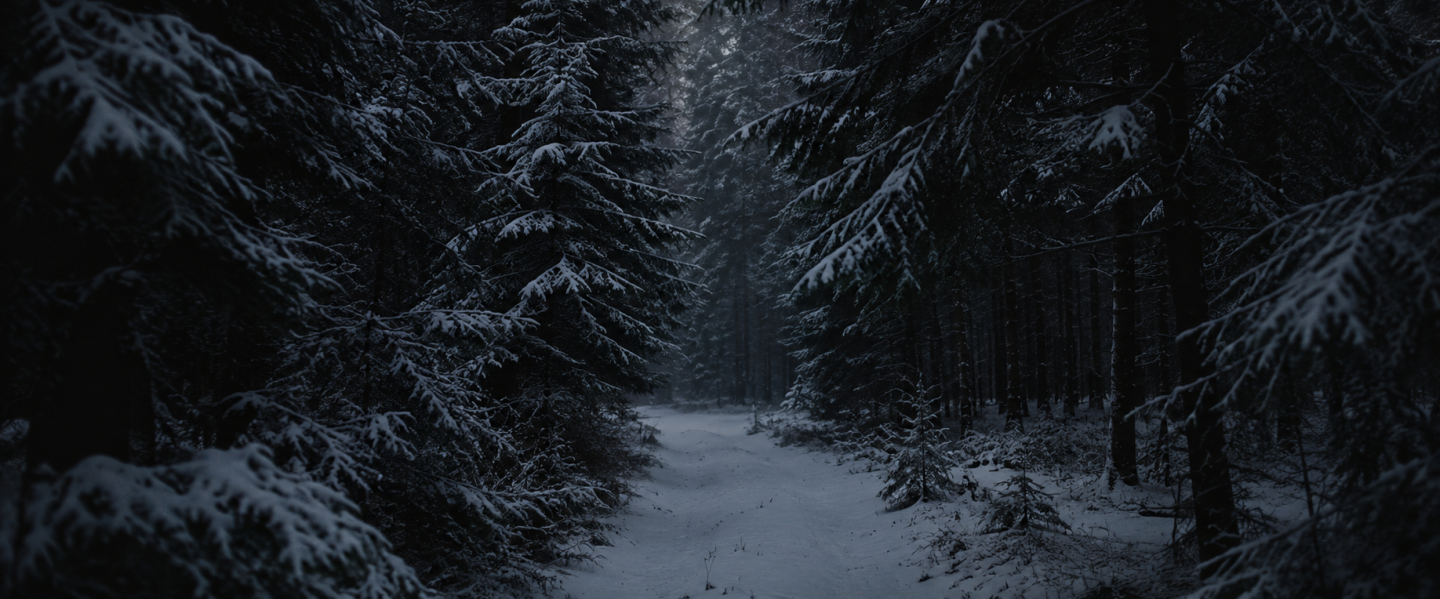
The Gods Who Met Me Where I Was

Three fantasy characters sitting around a campfire in a snowy forest, one with animal features, one dressed in ice-themed robes, and one with a flame crown.

Not every god comes into a life the same way.

Some arrive through study. Some through ritual. Some through lineage, longing, or the slow pull of old names heard often enough that they begin to sound like home.

And some, if I am being honest, arrive because life has already carved out a place for them before you ever knew how to name what was standing there.

That has been part of this journey for me.

Brigid was the obvious one. She was almost staring me in the face from the beginning. Hearth-fire. Inspiration. craft. The useful flame. The fire that is not there for spectacle, but for warmth, for light, for making something, for keeping something alive. Looking back, I do not know how I could have missed her for as long as I did. She was written all through the grain of things I was already drawn to: flame, devotion, words, work, tending, the sense that the sacred is not only found in grand moments, but in what is kept going day after day.

Brigid was never just aesthetic to me. She was practical holiness. The fire that asks to be fed. The fire that gives back when honored. The fire that can warm, forge, illuminate, and heal, but only if somebody bothers to tend it. Maybe that is why she fit so quickly. So much of my life has been built around keeping things going when they would have been easier to let die.

That lands even harder now than it once did.

If you follow either Standing on the Ledge or Unplugged Pagan, then you already know this has not exactly been a gentle season of life. The last while has had more than its share of collapse, pressure, rebuilding, fatigue, waiting, and trying to find footing again after things went sideways. A lot of what Standing on the Ledge has become is exactly that: learning how to keep moving when the world stops being soft, learning how to pick things up, learning how not to mistake exhaustion for the end of the road.

And that is where Skadi entered the picture.

Skadi did not come to me as comfort. She came cold and alone.

She came like hard air in the lungs. Like winter silence. Like the part of the landscape that does not care whether I am having a good week. She came with the feeling of surviving in a world that can be bitter, sharp, isolating, and utterly indifferent. But more than that, she came with the reminder that surviving is not the same thing as surrendering. There is a kind of strength that only gets forged when life stops coddling you. There is a kind of clarity that only comes when the warm illusions die off and what remains is stone, frost, breath, and the next step.

That is Skadi to me.

Not cruelty. Not despair. Not emptiness.

Cold truth. Endurance. Distance enough to see clearly. The refusal to collapse just because the weather has turned mean.

For years now, I have known that feeling intimately. The sense of standing in the bitterness of the world and still having to remain upright. Still having to work. Still having to endure. Still having to find some way not only to survive the season, but to keep some part of myself from going dead inside it.

That is why Skadi fit.

Not because she made life gentler, but because she made certain things make sense.

She feels like the patron of the part of me that has learned to keep walking in bad weather. The part that has had to become familiar with isolation without turning isolation into identity. The part that has had to say, more than once, this is hard, this is unfair, this is colder than I wanted, and I am still not done.

And then there is Ratatoskr.

Ratatoskr did not arrive with the same weight or severity. He just… fit.

There are gods and powers that make immediate emotional sense, and then there are ones that click into place because they match the rhythm of your mind, your spirit, or the odd shape of your road. Ratatoskr felt like that.

Messenger in the branches. Runner between levels. Movement between above and below. Signal, chatter, warning, communication, mischief, meaning. For somebody like me, who lives so much in words, in thought, in interpretation, in trying to make sense of both the sacred and the wreckage, Ratatoskr feels right at home.

There is a lesson in that.

The mind is a messenger, but it is not always a wise one. Not every thought is revelation. Not every passing fear deserves a throne. Not every piece of noise deserves to be carried from one end of the inner world to the other as though it were holy truth. Ratatoskr reminds me that messages matter, but discernment matters too. Communication can connect worlds, but it can also stir chaos if left unchecked.

That is part of why he fits so well beside both Brigid and Skadi.

Brigid says: tend what is worth keeping alive.

Skadi says: hold your ground in the cold.

Ratatoskr says: pay attention to what is actually being carried.

Together, that is a theology I understand in my bones.

Because that has been the road, has it not?

Tend the fire.

Stand through the winter.

Learn the difference between signal and noise.

Come back to what matters.

Keep moving between the worlds you inhabit without losing yourself in either one.

That is as true on the spiritual side of life as it is on the practical one. It is true in devotion. It is true in collapse. It is true in rebuilding. It is true in ordinary Tuesday mornings when the cards are on the table, the weather is doing whatever nonsense it feels like doing, and life still expects you to put one foot in front of the other.

I think that is one of the biggest things this path has been teaching me.

The gods are not only found in the clean, beautiful, polished parts of spiritual life.

Sometimes they are found in the rubble.

Sometimes they are found in the waiting room, in the legal fog, in the exhaustion after work, in the hard silence of a house where you are the only one carrying the weight, in the ritual you nearly abandoned and then returned to because something in you knew it still mattered.

Brigid in the flame that must be relit.

Skadi in the part of you that survives the freezing ground.

Ratatoskr in the movement between despair and meaning, between noise and message, between what is below and what still calls from above.

And, always nearby, the Fir.

Evergreen through hard weather. Not untouched by the season, but not conquered by it either. The Fir has become one of the truest mirrors I know for this kind of path. Stay green. Stay rooted. Stay yourself, even when everything around you looks stripped bare.

So no, I do not think these gods came to me at random.

Brigid was obvious because the fire was always going to matter.

Skadi came when life had become cold enough for me to understand her.

Ratatoskr fit because I have lived long enough between thought, spirit, words, and worlds to know that messenger energy is not a side note. It is part of the structure.

This has been a journey, yes.

But not one of collecting gods like symbols on a shelf.

It has been a journey of recognition.

Of seeing which names were already written into the weather of my life.

Of realizing that some powers do not simply call to us.

They reveal that they have been walking beside us for a long time.

Maybe that is the truest thing I can say right now.

I did not go looking for abstractions.

I found presences that matched the road.

The flame.

The cold mountain air.

The restless messenger in the branches.

And somewhere in the middle of all of it, myself, still walking, still tending, still listening, still here.

Still Walking the Wheel

Pagan hearth journal with rituals and candles

Some journeys do not move in straight lines.

They turn. They deepen. They fall quiet. They return.

That, in many ways, has been the journey of Unplugged Pagan.

When I came back to blogging in 2018, I was not returning with a polished plan or some grand vision of what this space would become. I was returning because something in me still needed a place to speak. A place for the old gods, for fire, for ritual, for memory, for grief, for devotion, and for the quieter parts of life that do not fit neatly into everyday conversation.

Unplugged Pagan began there: not as performance, but as return. Not as certainty, but as a small flame asking to be tended.

Over the years, this space became a meeting ground between Kevin and Lugh. Kevin, the name on paper, moving through work, fatigue, obligation, and the ordinary business of life. Lugh, the name tied more closely to spirit, myth, calling, and the inner life. For a long time, those names could feel like different chambers in the same house. But this path, and this space, have slowly become one of the places where they learned to stand beside each other instead of apart.

Life, after all, moves like a wheel.

It blooms. It withers. It breaks open. It goes silent. It begins again.

So does devotion.

So did this site.

In the early years, that showed up through posts on Brigid, fire keeping, drumming, festivals, myth, Paganism, and community. I wrote out of hunger then: hunger for meaning, for rootedness, for something sacred that could be lived honestly rather than simply talked about. Some of those posts were rough. Some wandered. Some were little more than sparks thrown onto the page. But even then, something real was being built.

A hearth.

A place to return to.

A place to keep the inner fire alive.

As the years turned, life turned with them. The world changed. Community changed. Silence changed. There were seasons of distance, disruption, loneliness, and inwardness. And those seasons taught me something I trust more now than I did at the beginning: the sacred does not live apart from life. It lives in the middle of it. In work. In weariness. In grief. In uncertainty. In the choice to keep tending something even when no one else sees it.

That is where devotion proves itself.

Not in spectacle, but in return.

Not in perfection, but in persistence.

Not in never drifting, but in coming back.

Brigid, the hearth, and the language of flame have remained close to the heart of that for me. Fire is honest. It must be tended or it dies. It warms, reveals, transforms, and asks relationship of the one who keeps it. In that way, it has always felt to me like one of the truest mirrors of devotion.

And over time, that devotion has come to live more and more in the small things: the cards laid out in the morning, the weather at the window, the candle lit before the day fully begins, the old names spoken into an ordinary room, the quiet pause before the noise of the world takes over. These are not grand gestures, but they are real ones. They are the kinds of practices that keep a soul from going numb.

That is why Unplugged Pagan feels less to me now like a conventional blog and more like a hearth journal. A record of seasons. A field book of devotion. A place where the sacred and the ordinary are allowed to sit together without apology.

When I look back over the years of this space, I do not just see old posts. I see the wheel marks of a life. I see hunger, silence, return, endurance, and the slow work of becoming more whole. I see Kevin and Lugh both leaving footprints in the same ash. I see a path that has not been straight, but has been real.

And maybe that is the truest thing I can say about Unplugged Pagan.

It has been a path of return.

Return to the page.

Return to the gods.

Return to the fire.

Return to the self.

Return to practice after silence.

If you have been here for years, thank you for walking through these seasons with me.

If you are new here, welcome.

Welcome to the hearth.

Welcome to the wheel.

Welcome to the unfinished, sincere, ongoing work of living a sacred life in an ordinary world.

After all these years, I am still here.

Still returning.

Still tending.

Still walking with the wheel.

the fir, the flame and the cards

Woman holding a tarot card surrounded by lit candles near a coastal sunset

Been in a little bit of a crappy mood lately.

If you follow my Standing on the Ledge posts, that likely does not come as much of a surprise. Life has felt frayed lately. A little too chaotic. A little too noisy. A little too easy to get pulled off center. And if I am being honest, I think part of it may be that I have drifted away from some of the things that help my mind settle and my spirit remember its footing.

One of those things was my morning ritual.

I stopped reading my cards.

That may sound like a small thing to some people. Just a deck on a table. Just a few quiet minutes before the day properly begins. But small rites are not small when they are the cords that tie you back to yourself. They are how the soul remembers the road home.

So this morning, I picked the cards back up.

And that, in itself, felt like stepping back across a threshold.

Today’s horoscope for this Cancer child, this Moonchild, said I might not be in much of a mood to attend some upcoming social event, might not feel much like dressing up, making the drive, or putting myself out there. And yet, it also said I am moving through a period of unusual fortune, a stretch of road where odd opportunities may begin appearing in unexpected clothing. In other words: do not let mood become prophecy. Stay open. A door you would rather ignore may yet lead somewhere worth going.

Fair enough.

Then came the cards.

  • Past: Seven of Cups
  • Present: Queen of Cups
  • Future: Page of Swords
  • Querent: The Hierophant, reversed

The Past: Seven of Cups

The Seven of Cups is mist over water.

It is moonlight hitting the surface of the well and turning every reflection into a possible truth. It is the shimmer of things half-seen, half-wanted, half-feared. It is vision and illusion standing close enough together that it takes real stillness to tell one from the other.

That feels about right.

The last little while has had that exact quality to it. Too many possibilities. Too many worries. Too many emotional phantoms. Too many thoughts rising out of the depths all at once. The mind full of cups, each offering some image, some anxiety, some temptation, some alternate path. Not enough grounding. Not enough silence. Not enough time at the inner well for the waters to settle clear.

From an Unplugged Pagan point of view, this is what happens when the spirit is overrun by weather. The well is still sacred. The moon is still shining. But the surface has been disturbed, and until it stills, the reflection cannot be trusted.

From a sociological lens, too, the Seven of Cups makes sense. Modern life scatters attention. It breaks rhythm. It makes us live by interruption instead of ritual, by reaction instead of pattern. The self becomes diffuse. We stop inhabiting the day and start chasing it from one loose thread to the next. That is fertile ground for confusion, irritability, and spiritual static.

The Present: Queen of Cups

And then the Queen of Cups rises from the spread like a tide priestess.

Deep. Held. Listening.

She is not weak, and she is not drowning. She is the keeper of the sacred vessel, the one who knows that feeling is not the enemy, but it must be given form. Water without a cup becomes flood. Water within a cup becomes offering.

That feels like the medicine.

The answer to this season is not to become harder or flatter or less sensitive. It is to become more contained. To come back to the deeper waters without sinking into them. To bring intuition back into vessel and rite.

This is where Brigid enters for me, not as abstraction but as presence.

Brigid of the hearth flame. Brigid of the well. Brigid of poetry, inspiration, and the spark that must be kept if it is to remain living. There is a devotional truth in her that people sometimes miss: the sacred fire does not keep itself. The flame is holy, yes, but holiness still needs tending. Fed wood. Cleared ash. A faithful hand.

That is what this morning ritual feels like. Not performance. Not aesthetic. Tending.

And layered under that, for me, is the Fir.

Evergreen. Winter-borne. The tree that does not surrender its life just because the season turns harsh. The Fir does not panic when the cold comes. It endures. It holds its shape. It remains itself while everything around it looks stripped, frozen, or asleep. There is devotion in that too. Not loud devotion. Steady devotion.

So the Queen of Cups, with Brigid at the hearth and the Fir standing watch in winter silence, feels like a call to return to the things that keep the inner life green.

The Future: Page of Swords

Then the air shifts.

The mist parts a little.

The Page of Swords enters like the first sharp wind of late winter cutting across the treeline.

This is not a soft card. It is bright, alert, wary, alive. A mind waking back up. A blade of thought clearing fog. The return of watchfulness, discernment, and edge.

I do not read this as hostility so much as necessary clarity. The future here feels like a call to sharpen attention. To notice better. To speak more cleanly. To stop letting every passing thought become a throne-room drama.

And of course Ratatoskr is somewhere in the branches here, restless as ever.

Messenger on the great tree. Carrier of words up and down the worlds. Quick thought, quick tongue, quick movement. Useful when disciplined. Pure mischief when not. The Page of Swords carries some of that same energy. The mind regaining speed. The nervous system wanting to report on everything. The question becomes whether that quickness will be used for discernment or agitation.

So this card feels like both promise and warning: your mind is coming back online, but choose carefully what messages you feed it and what messages you send out into the world.

The Querent: The Hierophant Reversed

And then there is me in the spread: the Hierophant reversed.

That landed hard.

Not because it feels like rejection of the sacred, but because it feels like drift from form.

I have not stopped believing. I have not stopped listening. I have not abandoned the path. But I have gotten away from some of the practices that help me walk it with steadier feet.

That matters.

The Hierophant is structure, rite, form, transmission, the outer container that helps inner meaning take shape. Reversed, in this reading, it does not feel rebellious so much as loosened. Slackened. A little too much of the old rhythm falling away under pressure.

And maybe that is the heart of the whole thing.

I did not lose the path.

I got away from my practices.

There is a difference.

A morning card pull is not just a cute little spiritual extra. It is a bell rung at the threshold of the day. It is a hand on the lintel. It is a moment of saying: before the world gets my attention, let the sacred have a word.

Reversed Hierophant says to me: stop waiting for mood to become devotion. Practice devotion until mood remembers how to follow.

Brigid, Skadi, Ratatoskr, and the Fir

Brigid is in the hearth smoke and the first glow of morning light on the table.

She is the quiet command to relight what has gone dim. The keeper of the small holy fire that makes a house, a rite, a poem, a life.

Skadi stands farther out, where the snow still lingers in the shadowed places and the air bites the lungs clean. She does not coddle. She clarifies. She reminds me that some moods are not to be endlessly analyzed. Some are to be walked through, breathed through, disciplined through. There is a winter honesty to her that pairs well with the Fir.

Because the Fir is not spring blossom energy. The Fir is older than that. Hardier than that. The Fir says: stand through the season you are in. Keep your green. Hold your form. Do not confuse hardship with the end of life.

And Ratatoskr remains in the branches, carrying messages between the higher reaches and the lower places, reminding me that the mind is a messenger but not always a wise one. Not every thought deserves reverence. Not every irritation deserves an altar.

So there they are around this reading:

  • Brigid at the hearthfire.
  • Skadi in the cold bright edge of the morning.
  • Ratatoskr in the branches of the world-tree.
  • The Fir standing evergreen through the difficult season.

That feels right.

The Reading as a Whole

So what is this spread saying to me?

It is saying I have let the waters get muddy.

It is saying I have been more scattered than centered, more reactive than ritualized, more lost in inner weather than anchored in daily practice.

It is also saying the remedy is not some great dramatic revelation.

It is simpler than that.

Come back to the cards.

Come back to the cup.

Come back to the hearth.

Come back to the evergreen part of the self that knows how to endure a hard season without surrendering its shape.

The horoscope says opportunity may come in unlikely form. The cards say I am more likely to recognize it if I stop living in a fog bank. The Queen says return to the deeper waters. The Page says sharpen your eye. The reversed Hierophant says rebuild the rite. The Seven says stop mistaking every shimmer for truth.

And the Fir says: remain.

Remain rooted. Remain upright. Remain green.

That is enough of a morning sermon for me.

The ritual has resumed.

The flame has been touched.

The well has been approached again.

And perhaps that is how the path clears, not always with thunder or vision, but with the quiet old disciplines returning one by one like birds to familiar branches.

Godspeed.

Ostara: Balance, Mud, and the Return of Life

Well, good morning, all. Happy Ostara — or happy spring equinox, if that is the language you use.

Before I go any further, let me say this plainly so nobody thinks I am trying to pass off personal practice as hard history. I am not claiming Brigid is somehow “the goddess of Ostara,” and I am not claiming all of these seasonal threads come to us in one clean, tidy, unbroken line. They do not. The older trail around Eostre or Ostara is thinner than modern Pagan internet culture often likes to admit.

What I am saying is simpler than that, and more honest.

For me, Brigid does not vanish the moment Imbolc passes. The flame lit there carries forward. The hearth-fire becomes morning light. The blessing laid on the threshold does not end when the first holy day is over. It keeps moving. It keeps working. It keeps asking something of me.

So if Brigid shows up in how I approach Ostara, that is not me making a historical claim. That is me speaking from lived devotion.

That is where this post is coming from.

The wheel turns.

Not always with birdsong and flower crowns. Sometimes the first sign of spring is mud. Wet boots. Cold rain. Wind that still bites a little. Bare branches with just the faintest hint that they are about to change. A few more minutes of daylight at the end of the day. A sense that winter is losing its grip, even if it has not fully let go yet.

That feels honest to me.

Because not all of us arrive at spring feeling bright and reborn. Some of us arrive tired. Some of us arrive worn thin. Some of us arrive carrying grief, disappointment, burnout, fear, or just the dull heaviness of a long season that asked more from us than we wanted to give.

And still, the light returns.

And still, something begins again.

That matters.

For me, Ostara is not separate from what Brigid stirred earlier in the year. If Imbolc is the spark in the dark, then Ostara is the first proof that the spark is actually catching. If Imbolc is the candle, Ostara is the edge of dawn. If Imbolc is the prayer whispered over cold ground, Ostara is the first answer rising back.

And Brigid, at least as I have come to know her, belongs in that movement too.

Not because I need to force every season into one system. Not because I need everything to line up neatly. But because I know what it is like for a flame to have to survive bad weather. I know what it is like to need warmth before growth, truth before beauty, and tending before bloom. Brigid, to me, is not only present in beginnings. She is present in what must be nurtured so the beginning does not fail.


What Ostara is — and what it is not

At least as most modern Pagans mean it, Ostara is the spring equinox: that turning point where light and dark stand in near balance, and from there the year begins leaning more clearly toward growth, warmth, and life returning to the land.

The history behind the name is thinner than a lot of modern posts and memes pretend. Honestly, I do not think that ruins anything.

If anything, I think it helps.

Because then maybe we can stop pretending certainty where certainty does not exist, and get back to the real work of spiritual life: paying attention, speaking truthfully, and meeting the season where it actually meets us.

That is more my style anyway.

Not performance spirituality. Not curated holiness. Not trying to cosplay ancient wisdom for the algorithm.

Just paying attention.

Just noticing that the light is gaining ground.

Just noticing that the earth is beginning to answer back.

Just asking, quietly and honestly: what in me is ready to thaw? What in me is ready to grow? What in me has been waiting for enough light to try again?

And yes, for me, part of that includes Brigid. Not as a shortcut. Not as a claim. As a presence. As the keeper of the useful flame. As the one who reminds me that healing and creation do not happen by magic alone. They happen by tending. By showing up. By feeding what should live and starving what should not.


A short Ostara observance with Brigid (about 5–10 minutes)

What you’ll need

  • A candle, or an LED candle if open flame is not safe
  • A cup or bowl of water
  • Something small that represents new life — a seed, a leaf, a flower, a stone from outside, or even a slip of paper with a word written on it
  • Something to write with

Step 1: Light

Light the candle. Take one slow breath. Let yourself arrive. Then say:

I welcome the turning of the season.
I welcome the return of light.
I do not need perfection today.
I need honesty, balance, and one living step.

If Brigid is part of your path, continue with:

Brigid of the hearth,
Brigid of the bright flame,
Brigid of well, forge, and inspired word,
be with me at this turning.
What was kindled in darkness,
help me carry into growth.

That is enough.

No need to perform. No need to force a feeling. No need to sound impressive for gods, spirits, ancestors, or yourself.

Just begin where you are.

Step 2: Name what is true

Ask yourself two questions:

  • What is still winter in me?
  • What is asking to grow?

Do not turn it into a whole essay. Name it cleanly.

Winter in you might be:

  • fatigue
  • fear
  • avoidance
  • grief
  • resentment
  • numbness
  • inertia

What wants to grow might be:

  • courage
  • routine
  • clarity
  • trust
  • creativity
  • discipline
  • health

Name one of each.

That alone can be holy, if you are honest enough.

Step 3: Make the seed promise

Write these two lines:

  1. One thing I stop feeding: __________
  2. One thing I begin feeding: __________

Keep it small and real.

This is not about reinventing your whole life before breakfast. It is not a courtroom. It is not a self-improvement performance. It is not a heroic montage.

It is a turning.

That is quieter than most people think.

If Brigid is part of your practice, ask one more question:

  • What in me needs tending rather than shaming in order to grow?

I think that matters a lot. Too many of us were taught that change only happens through self-contempt, pressure, punishment, and internal violence. But that is not sacred fire. That is just another way of burning yourself down and calling it discipline.

Brigid, to me, has never felt like that.

She feels more like the kind of fire that makes a room livable. The kind that lets hands work again. The kind that says, all right now, let us tend what still has life in it.

Step 4: Bless the water

Hold the cup or bowl of water for a moment and say:

As the world thaws, may I thaw what has gone numb.
As the light returns, may I return to what is living.
As the season opens, may I open without abandoning myself.

Then, if you wish, add:

Brigid of the well,
bless this threshold of season and self.
Warm what has gone cold.
Kindle what is ready to live again.
Let what is true rise cleanly.

Take a sip, or touch the water to your forehead, heart, or hands.

Let it be simple.

Step 5: Do one real thing

Now do one practical act that matches the promise you just made.

It does not have to be dramatic.

Examples:

  • open the curtains
  • step outside for two minutes
  • clear one small surface
  • water a plant
  • start one page
  • send one needed message
  • clean one neglected corner
  • throw out one thing that belongs to winter but not to the life you are building now

This is the part I trust most.

Not the symbol by itself. Not the pretty words by themselves. Not the mood.

The act.

The season becomes real when it reaches your hands.

And Brigid, as I understand her, has always lived there too. Not only in inspiration, but in useful inspiration. Not only in beauty, but in what beauty asks of us. Not only in flame, but in the work of tending flame so it can actually do something.

The question becomes: all right then, what are you tending now?

Step 6: Close

Hold your symbol of life — seed, leaf, stone, flower, or word — and say:

I give thanks for balance.
I give thanks for return.
I give thanks for what is small, honest, and beginning again.

Then close with:

May what is ready grow.
May what is finished loosen its grip.
May I meet this season as I am — and still keep moving.
Brigid, if you will, stay near the work.

Blow out the candle.

You’re done.


Journal prompt

  • Where in my life do I need more balance?
  • What have I outgrown quietly?
  • What is one small thing worth growing on purpose?
  • What has Brigid already kindled in me that I now need to carry forward?

The light does not return all at once. Neither do we. But the season turns anyway. Godspeed.

Brigid, Skadi, and the Spirit in the Branches

Some spiritual presences arrive as hearth fire. Some arrive as winter silence. And some arrive as a restless spirit in the branches, reminding us to keep moving between what we survive and what we are becoming.

There are times on a spiritual path when a presence feels immediately familiar.

Brigid has long felt that way to me.

She feels like the hearth fire I return to. Not flashy. Not demanding. Steady. Sacred. Close. In prayer, in reflection, in quiet acts of rebuilding, I can feel her presence in the things that ask to be tended with care. Healing. Craft. Devotion. The slow work of making life habitable again, inside and out.

She reminds me that not everything holy arrives as revelation. Some of it arrives as warmth. Some of it arrives as the simple grace to keep going gently, faithfully, one small act at a time.

But not every part of the path has felt like firelight.

Some of it has felt like winter.

Some of it has been long stretches of silence, uncertainty, isolation, and learning how to endure what could not simply be wished away. Some parts of life do not ask us to glow. They ask us to stand. They ask us to keep our footing in cold places. They ask us to become honest.

That is where I find myself thinking of Skadi.

Not instead of Brigid. Not as a rejection of the hearth. But as another presence whose shape may also belong somewhere on this road.

Skadi feels to me like the breath of winter air in the lungs. Clear. Stark. Bracing. There is something in her that does not soothe so much as clarify. She does not feel like comfort for its own sake. She feels like the dignity of endurance. The sacredness of solitude. The strength that is formed when life becomes stripped down and a soul learns to keep walking anyway.

And if I am honest, that speaks to me.

There are parts of me that were rebuilt by warmth.

There are other parts that were shaped by cold.

Both are real. Both have left their mark. Both, I think, belong within the spiritual landscape I carry.

And somewhere between those two presences, I keep sensing Ratatosk.

Not only as a figure from myth. Not only as an image I happen to like. But as a spirit that feels strangely familiar to the way I move through the world.

Ratatosk does not feel still to me. He feels alert. Quick. Restless. A carrier of signals. A messenger moving between heights and depths, between branch and root, between what is visible and what is buried.

That resonates with me deeply.

My own spirit has rarely felt motionless. Even in stillness, there is movement underneath. Reflection, yes, but also vigilance. Curiosity. Awareness. A constant movement between layers of meaning, between what is survived and what is still becoming. Ratatosk feels close to that part of me. Not as decoration. Not as metaphor alone. As recognition.

If Brigid is the hearth fire, and Skadi is the winter silence beyond it, then Ratatosk feels like the living current moving between the two.

The one who carries signal from center to edge and back again.

The one who reminds me that spiritual life is not always about standing in only one place. Sometimes it is about learning how to travel between warmth and hardship, between comfort and clarity, between healing and endurance, without losing the thread of who we are.

That feels sacred to me.

Brigid steadies the heart.

Skadi strengthens the spine.

Ratatosk keeps something alive in the branches.

Together, they do not feel like contradiction. They feel like different truths within the same life.

Brigid remains, for me, the center fire. The presence I return to in prayer, reflection, and the quiet hope of renewal.

Skadi stands farther out, where the air is colder and the lessons are harsher, but no less holy.

And Ratatosk moves between them, carrying the restless pulse of awareness, instinct, and spirit from one part of the soul to another.

Maybe not every sacred presence enters our lives for the same reason.

Some teach us how to tend.

Some teach us how to endure.

Some teach us how to keep moving between the worlds within us.

For me, that is beginning to feel less like uncertainty and more like pattern.

Brigid for the fire.

Skadi for the winter.

Ratatosk for the spirit that still runs the branches between them.

That feels true enough to honour.


A quiet prayer

Brigid, keep the hearth lit when my spirit grows tired.

Skadi, teach me how to stand in the cold with honesty and strength.

Ratatosk, keep me alert to what moves between root and branch, between wound and wisdom, between survival and becoming.

May I know when to tend, when to endure, and when to keep moving.

May I welcome the sacred whether it arrives as warmth, as silence, or as a restless stirring in the soul.

And may I have the courage to follow what feels true.

Imbolc 2026: Embrace the Hearth with Brigid’s Blessings

Saint Brigid’s Day (Imbolc) — Keeping the Hearth Lit

Well, good morning, all. Happy Saint Brigid’s Day to my friends who honor Brigid — in the saint, in the season, or in that overlapping place where old roads and new roads meet.

Warmer days are ahead. Not always today, not always this week — but the wheel turns. And February 1st is one of those hinge-days where I can feel the world trying to move again.


What Saint Brigid’s Day is (and why it still matters)

Saint Brigid’s Day (Lá Fhéile Bríde) lands on February 1st and sits right beside Imbolc — that early-spring threshold where winter is still real, but the light is returning. Brigid carries “hearth” energy: protection, hospitality, healing, and the kind of steady practical blessing that doesn’t need a spotlight.

In Irish tradition, this day gathered a whole cluster of home customs: weaving Brigid’s crosses, welcoming Brigid to the household, and leaving a small cloth or ribbon out overnight (often called Brat Bríde — Brigid’s mantle) to be blessed for the year ahead.1

So today I’m not trying to perform spirituality. I’m doing something simpler: I’m treating my home like a hearth again — and treating myself like someone worth tending.


A short Brigid-Day ritual (about 7–10 minutes)

You’ll need:

  • A candle (or a phone flashlight)
  • A cup of water
  • A small cloth or ribbon (your Brat Bríde)
  • Something to write with
  • (Optional) A little evergreen sprig or even just the idea of “evergreen” in your mind

1) Light the flame

Light the candle and say:

Brigid of the hearth, keeper of the returning light — be welcome here.
I don’t need spring today. I need direction.

2) Set out the Brat Bríde

Place your cloth/ribbon by a window, door, or outside if you can. If you can’t set it outside, the windowsill still works — the point is the gesture of welcome.

Say:

Brigid, bless what covers me — not with escape, but with steadiness.
Let this be a mantle of clear mind, warm heart, and good enough strength.

3) Bless the water

Hold the water for a moment and speak a simple line:

As the wells keep flowing, may I keep flowing.
As the thaw returns, may I return to myself.

Take a sip. Then (if you like) dab a little water on your forehead or hands as a sign of “I’m starting again.”

4) The hearth act (one small real-world action)

Do one practical thing that makes your space more “livable”: tidy one surface, wash one dish, lay out tomorrow’s clothes, clear one corner. One thing. Not a crusade.

This is the Brigid part I respect most: blessing isn’t just words — it’s the world made a little more workable.

5) The relationship blessing (gentle truth)

If a relationship has been on your mind — even a good one — choose one sentence you could say with love instead of tension. Write it down. Keep it simple. Keep it kind.

  • “I’d like us to communicate a little more clearly.”
  • “Can we try a different approach?”
  • “I care about you, and I want this to go well.”

You don’t have to deliver it today. But you can stop pretending your needs are a threat.

6) The evergreen vow (fir-tree mindset)

If you work with tree symbolism: today is evergreen energy — fir energy — the part of you that stays green even when the weather is rude.

Write one vow you can keep for 24 hours:

  • “I will keep the basics.”
  • “I will do one small task before I judge myself.”
  • “I will not turn a hard day into a verdict.”

7) Close the ritual

Pick up your Brat Bríde (or leave it in place until night) and close with:

Brigid of the hearth, thank you for the light that returns.
Bless this home. Bless my hands. Bless the next right step.
May what is frozen in me thaw without breaking.


Journal prompt (30 seconds, no overthinking)

  • What’s still winter in me today?
  • What’s one small sign of returning light?
  • What’s the next right step I can actually do?

Tagline

Keep the hearth lit. Keep the blessing practical. Warmer days are ahead. Godspeed.


Footnotes

  1. National Museum of Ireland — St Brigid’s Day traditions (Brigid’s crosses; Brat Bríde / ribbon left out on the eve). Reference