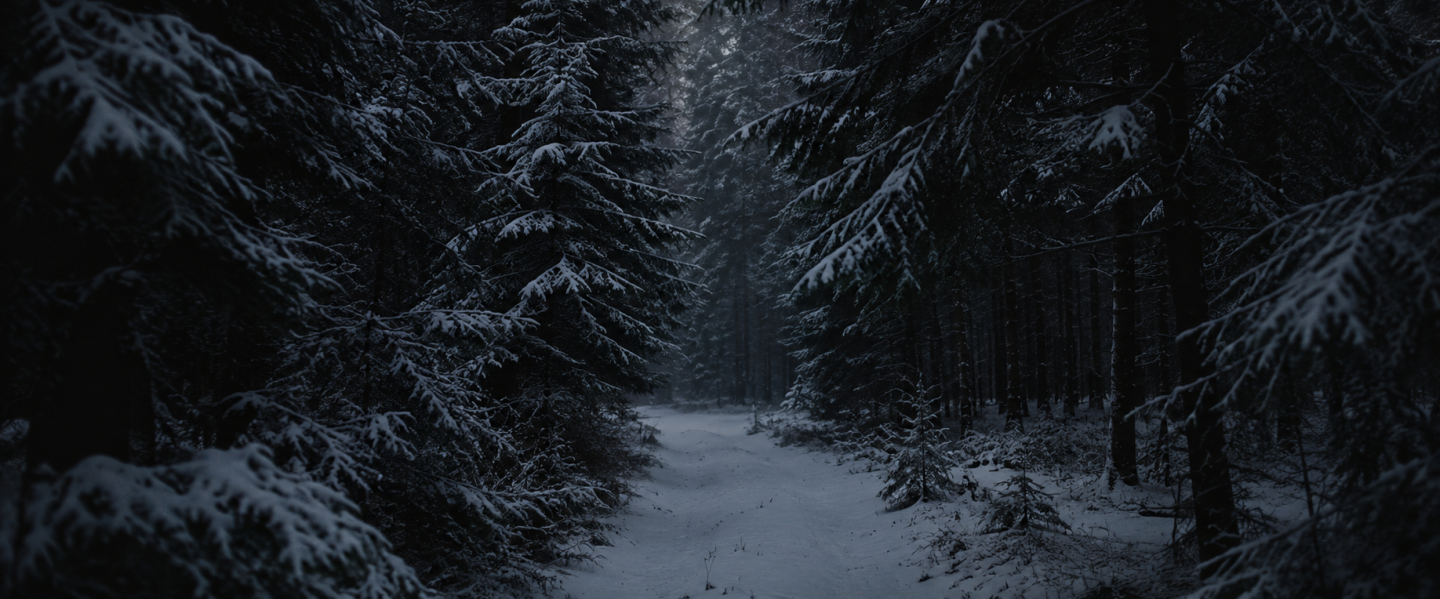
Dark snow-covered evergreen path through winter woods

The Sound of a Thousand Boots!

Soldiers marching blending into balanced sound waves

I was reminded of something tonight that my military training taught me years ago.

It is one of those simple things that seems obvious once you have seen it, heard it, and felt it in your bones. One person stepping forward makes almost no sound. One boot striking the ground is just a footstep. A knock. A tap. A single beat in the dark.

But twenty boots striking the ground at the same time?

That is different.

Fifty boots?

A hundred?

A thousand?

Now you are no longer hearing a footstep. You are hearing a wall. You are hearing force, unity, discipline, and intention made audible. That is part of the power of drill. Yes, marching in step teaches discipline. Yes, it teaches obedience, timing, teamwork, and control. But it also teaches something deeper: when many small sounds become one sound, the effect changes completely.

That is the part people forget.

A single sound does not need to be massive to become powerful. It only needs to be repeated in unison. One voice can be ignored. Many voices speaking together cannot be dismissed so easily. One drumbeat is a rhythm. Many drumbeats become thunder.

And that brings me to music.

Our modern music industry seems to believe that louder automatically means better. Louder means stronger. Louder means more exciting. Louder means more alive. So speakers get pushed harder. Cars rattle. Concerts roar. Festivals pump sound at levels that do not just fill the air, but assault it.

At a certain point, that is not music anymore.

That is pressure.

That is force.

That is damage dressed up as entertainment.

The truth is, you do not always need one massive speaker blasting at an absurd level. You could take many smaller speakers, place them properly, and let the sound carry through space instead of trying to bludgeon the space into submission. Thirty, forty, fifty smaller sound sources working together can create presence, coverage, and clarity without needing to make one source scream.

That is the lesson of the marching boots.

You do not create power only by increasing force. Sometimes you create power by increasing unity.

There is a difference between amplifying a sound and multiplying a sound. When you keep turning up one source, you eventually get distortion, harshness, and fatigue. The sound may become louder, but it does not necessarily become clearer. Often, it becomes worse. It loses shape. It loses texture. It loses the thing that made it worth hearing in the first place.

But when sound is spread properly, when it is balanced, when it is allowed to arrive from more than one place without being forced beyond reason, it can become fuller without becoming cruel.

That matters.

Because our ears are not disposable. Our peace is not disposable. The people around us are not disposable. The land is not disposable.

There is an arrogance in unnecessary volume. There is an arrogance in believing that because you want to hear something, everyone else must be made to feel it whether they consent to it or not. Sound does not respect fences. It does not stop at property lines. It does not ask whether the child is sleeping, whether the elder is resting, whether the animals are unsettled, whether the neighbours have had enough.

Sound travels.

Sound enters.

Sound imposes.

And maybe that is the thought for today.

Power does not always need to be loud.

Presence does not always need to be aggressive.

Music does not need to wound in order to move people.

The old lesson still holds: one footstep is nothing. A thousand footsteps together can shake the ground.

So before you blast the car stereo, before you stand in front of that speaker stack, before you call 120 decibels “necessary,” maybe stop and ask yourself whether it really is necessary — or whether we have simply confused volume with value.

Just a thought to ponder.

Have a good day, and Godspeed.

Gold, Silver, and the Roots we refuse to cut

Family of two adults and two children hugging happily outdoors with banknotes flying in the background

To quote an old friend: “You have chosen gold and silver over kith and kin.”

Those words tie directly into my earlier reflection, Don’t Cut Off the Roots. A tree may have strong branches. It may have a solid trunk. It may appear healthy from the outside. But if the roots are cut away, starved, ignored, or treated as disposable, the tree will eventually suffer. It may stand for a while. It may even look fine for a season. But the damage has already begun beneath the surface.

Today was a difficult choice day.

The quote I opened with rings more true than I ever thought it would. I never thought I would see the day where it would feel so personally accurate. Yet quite a few folk have reached out to me, and while they may not use those exact words, the sentiment is the same. Something has shifted. Something has been chosen. And what has been chosen does not appear to be kith and kin.

I choose kith and kin over gold and silver any day.

That does not mean gold and silver do not matter. Money keeps a roof over your head. It pays the hydro bill. It keeps the lights on. It pays for food, fuel, repairs, land, tools, buildings, amenities, and all the practical things that life requires. Pretending otherwise would be foolish.

But gold and silver do not sit beside you when the world is falling apart.

Gold and silver do not give you comfort when your spirit is tired.

Gold and silver do not restore your self-worth when you have been made to feel disposable.

Gold and silver do not remember your name around the fire.

Gold and silver do not become community. They do not become kinship. They do not become roots.

In Christian tradition, greed, or avarice, is counted among the seven deadly sins. In pagan language, I would say it another way: greed is what happens when the hoard becomes more sacred than the hearth. It is what happens when the keeping of things matters more than the keeping of bonds.

Words from the Wise One

The Hávamál, the sayings of the High One, has something sharp to say about wealth:

“Wealth is just like the winking of an eye, it’s the most fickle of friends.”

Hávamál, stanza 78

That line cuts cleanly. Wealth is not condemned outright. The old wisdom does not pretend that a person can live on air and good intentions. But wealth is called fickle. It comes and goes. It promises security, but it does not always keep that promise. It can vanish quickly. It can turn people against one another. It can make a person believe they are secure while everything human around them is being weakened.

And elsewhere, the Hávamál reminds us:

“Cattle die and kinsmen die, thyself too soon must die.”

Hávamál, stanza 75

That is not a cheerful line, but it is an honest one. Everything passes. Wealth passes. Status passes. Ownership passes. Even the people we love pass. The question is not whether we can hold everything forever. We cannot. The question is what we chose while we were here.

Did we choose the hoard, or did we choose the hearth?

Did we choose gold and silver, or did we choose kith and kin?

Did we remember the roots, or did we cut them off and then wonder why the forest grew sick?

A community is not made healthy by money alone. A sacred place is not made sacred by buildings alone. A gathering is not made whole by schedules, ticket sales, rules, or polished language. These things may support the structure, but they are not the roots.

The roots are the people.

The roots are the old bonds.

The roots are the ones who showed up before it was profitable, before it was polished, before it was convenient, before it became something that could be packaged and sold.

When those roots are forgotten, something living begins to dry out.

So today, I come back to the same place in my heart. I choose kith and kin. I choose the hearth over the hoard. I choose the roots over the shine of silver. I choose the people who remember what this was supposed to be, even when remembering hurts.

Gold and silver may keep the lights on.

But kith and kin are why we light the fire in the first place.

Godspeed to kith and kin.

Don’t Cut Off the Roots

Large tree with roots labeled connection, history, shared values, unity, support, family, growth, resilience, tradition

Don’t Cut Off the Roots

Well, my dear Unplugged Pagans, this one may get a little metaphorical, so walk with me for a moment.

A tree is only as strong as the root system that supports it.

That sounds simple enough, but there is a lot of truth buried in that image. A tree can have a strong trunk. It can have healthy branches. It can stand tall, green, and impressive for everyone passing by to see. But if the roots are damaged, starved, ignored, or cut away, that tree is already in trouble.

It may not fall immediately.

It may not look sick right away.

It may still stand there for a season, maybe even several seasons, pretending by appearance that all is well.

But without its roots, it will weaken.

Without its roots, it will wither.

Without its roots, it will eventually die.

And lately, as I look around at life, community, memory, faith, and the places people build together, I find myself thinking about roots.

Some places seem to forget theirs.

Some places drift from the very people, stories, labour, rituals, memories, and quiet acts of care that made them what they were in the first place. Some places keep the name, the sign, the surface, the public face, and the outward shape, but slowly begin cutting away the roots beneath them.

And when that happens, something changes.

You may still have the trunk.

You may still have the branches.

You may still have the appearance of health.

But the life beneath it has been weakened.

This is not just true of trees. It is true of people. It is true of families. It is true of communities. It is true of spiritual places. It is true of pagan circles, old friendships, shared rituals, and the quiet ecosystems of belonging we often do not notice until they are gone.

Psychology tells us that human beings have a deep need to belong. We are not made only of individual willpower. We are also shaped by attachment, memory, recognition, and relationship. We come to know part of who we are through the people and groups we have stood beside. Sociology says something similar when it speaks of collective memory: communities remember through shared stories, shared places, shared practices, and shared meaning.

In plain language, roots matter.

Roots are not nostalgia.

Roots are not weakness.

Roots are not dead weight.

Roots are the living system that holds the tree in place.

I remember a time when someone decided that the pine needles on a forest floor were a problem. They saw the layer of fallen needles and thought it looked messy. They thought it needed to be cleaned up. Removed. Tidied. Made proper.

But the forest did not see those pine needles as garbage.

The forest knew better.

That layer of needles served a purpose. It held moisture. It slowed the drying of the soil. It sheltered small life. It fed the ground as it broke down. It helped support the fungal life beneath the surface. And that fungal life was part of the larger health of the forest.

Remove enough of that living layer, and the system changes.

The soil dries faster.

The balance shifts.

The small hidden relationships that kept things steady begin to weaken.

And then people stand back surprised when the trees start to suffer.

But the trees were not suffering because of one dramatic act. They were suffering because the quiet supports had been stripped away.

That is the lesson.

Sometimes what looks messy is actually protective.

Sometimes what looks old is actually foundational.

Sometimes what looks unnecessary is doing work you do not understand.

Sometimes the fallen needles are holding the forest together.

And so it is with our roots.

Our roots may be old stories. They may be elders. They may be former volunteers. They may be first fires, first rituals, first songs, first gatherings, first mistakes, first lessons. They may be the people who carried wood, washed dishes, watched gates, cleaned up after everyone went home, tended sacred spaces, held memory, welcomed strangers, and kept something alive before it had polish, structure, or public recognition.

Those people matter.

Those memories matter.

Those early acts of care matter.

And when a place forgets that, it risks becoming all canopy and no soil.

Pretty from a distance.

Weak underneath.

Now, to be clear, roots do not mean we never grow. Roots do not mean we stay frozen in the past. A healthy tree still reaches upward. A healthy forest still changes. Branches break. New shoots rise. Old trees fall and feed the next generation. Change is not the enemy.

But growth without roots is not growth.

It is drift.

It is performance.

It is a tree pretending it can live without soil.

For us as pagans, this should matter deeply.

We speak often of the land. We speak of ancestors. We speak of spirits, seasons, memory, offerings, fire, water, soil, and sacred place. But those words ask something of us. They ask us to pay attention to what holds life together beneath the surface.

They ask us not to confuse neatness with health.

They ask us not to confuse control with care.

They ask us not to confuse cutting away with cleansing.

Sometimes the sacred thing is not the polished altar.

Sometimes the sacred thing is the old layer of pine needles underfoot.

Sometimes the sacred thing is the story someone still remembers.

Sometimes the sacred thing is the person who has been quietly holding part of the root system while everyone else looked up at the branches.

So do not forget your roots.

Do not cut them off just because they are no longer convenient.

Do not dismiss them because they are old, complicated, imperfect, or covered in the debris of time.

Roots are rarely pretty.

Roots are tangled.

Roots are buried.

Roots are hard to show off.

But roots are what keep the tree standing when the weather turns.

And the weather always turns.

A forest is only as strong as its ecosystem. A person is only as steady as the truths they remain connected to. A community is only as healthy as the relationships, memories, and acts of care it refuses to forget.

So tend the roots.

Honour the soil.

Respect the old needles on the forest floor.

Remember what fed you.

Remember who helped build the path before you walked it.

And when you grow, grow upward from something real.

That is it. That is all for now, my Unplugged Pagans.

Godspeed.

Notes Beneath the Roots

This reflection draws on a few grounded ideas: the human need for belonging, social identity, collective memory, and the ecological role of forest-floor material, fungi, soil, and roots. In plain language, both people and forests depend on hidden systems of support.

Fire and Field Notes

Woman sitting at wooden desk with open notebook, book, laptop, and papers, looking out window thoughtfully

I am not easily summed up.

I am a practical person, but I am not only practical. I believe in structure, communication, responsibility, documentation, and doing the work that has to be done. But I also believe in fire, ritual, memory, land, spirit, silence, and the things that do not always fit neatly into a spreadsheet.

Both are me.

I am one person trying to understand life through more than one language.

Sometimes I speak through lessons learned the hard way. Sometimes I speak through reflection. Sometimes through frustration. Sometimes through faith. Sometimes through humour. Sometimes through grief. Sometimes through a candle lit in the quiet when there are no easy answers left.

I pay attention. Maybe too much sometimes. I notice tone. I notice silence. I notice effort and the lack of it. I notice when words and actions do not line up. I notice when people say community, but practise exclusion. I notice when people talk about care, but avoid accountability.

That does not mean I am always right. It means I am watching. It means I am trying to understand what is real.

I want connection, but not fake connection.
I want community, but not performance.
I want honesty, but not cruelty.
I want peace, but not the kind of peace that requires everyone to pretend nothing is wrong.

I have been through collapse. I have been through loss. I have been through endings I did not ask for and changes I did not welcome. I have had to rebuild more than once. And when I rebuild, I do not simply move on as if nothing happened. I look at the wreckage. I ask what broke. I ask what I missed. I ask what can be learned. I ask what can be made useful.

That is part of who I am.

I turn experience into meaning. I turn hard lessons into words. I turn confusion into reflection. I turn damage into something I can carry, examine, and maybe hand to someone else so they do not feel quite so alone when their own ground gives way.

But I am also learning that not everything has to become a lesson right away.

Some things hurt.

Some things disappoint.

Some things need to be released without being analyzed to death.

Some things need a candle, a breath, a walk outside, a night of sleep, or simply the honesty to say: this mattered to me, and it hurt.

I am compassionate, but I am not submissive. I can be patient. I can try to understand. I can give people room. But I am not built to live comfortably inside dishonesty, avoidance, or shallow performance. Eventually, if something feels wrong, I will name it. Maybe imperfectly. Maybe too strongly at times. But usually because I am trying to get to something honest.

I am not looking to be the loudest person in the room.

What I want is witness.

I want real things to be seen. Real effort. Real harm. Real rebuilding. Real care. Real contradiction. Real community, if community is the word we are going to use.

I am socially selective. Not antisocial. Selective. There is a difference. I can talk. I can write. I can show up. But shallow connection drains me. I would rather have one honest conversation than a dozen polite performances.

I am spiritual, but not decorative about it. For me, spirituality is not an aesthetic. It is not a costume. It is not a slogan. It is part of how I stay grounded in a world that often feels careless and loud. It is how I remember that I am more than my work, more than my losses, more than my anger, more than my unfinished business.

I am a person of fire and field notes.

That may sound strange, but it is true.

I need both the sacred and the practical. I need both the ritual and the record. I need both the candle and the notebook. I need both the meaning and the method.

I am still learning when to speak, when to stay quiet, when to document, when to let go, when to challenge, and when to simply keep walking.

I do not claim to have it all figured out.

I am not presenting myself as healed, enlightened, wise, or above the mess of being human. I am in the mess too. I get angry. I get tired. I overthink. I care more than I sometimes want to admit. I can say I do not care while absolutely caring. I can want connection and distance at the same time.

That is human.

That is me.

What I know is this: I am still here. I am still paying attention. I am still trying to tell the truth as best I can. I am still trying to build something useful from what life has handed me. I am still trying to stay honest without becoming bitter. I am still trying to stay open without becoming foolish. I am still trying to keep the fire lit.

And maybe that is the simplest way to say who I am.

I am someone who has fallen, watched, learned, questioned, rebuilt, and kept going.

I am someone who wants meaning, not performance.

I am someone who still believes honesty matters.

I am someone who still believes the fire is worth tending.

Godspeed.

Pagan I Am: Field Notes From a Solitary Fire Keeper

Cloaked person holding a staff stands on a rock overlooking a grassy area with a stone circle under a twilight sky

Hello all,

After a weekend of back and forth with Amazon, I am happy to say that Pagan I Am: Field Notes from a Solitary Firekeeper by yours truly, Kevin McLaughlin, has passed review and should be going live on Amazon within the next 48 to 72 hours.

This book is a personal recollection of my pagan life from roughly 2018 forward. It is not written about any specific group, place, or person. It is not a commentary on anyone else’s path, organization, community, or practice. It is simply my own journey through belief, doubt, ritual, reflection, and what it has meant for me to walk as a solitary pagan.

It should have been live already, but there were a few review bumps along the way. One of those involved a title-related concern, as another author has work with a similar title. That work and my book are entirely different in scope, tone, and purpose. Pagan I Am is my story, my reflections, and my field notes from the path I have walked.

At this point, the matter appears to have been resolved, and the book should hopefully be available on Amazon by June 2nd or June 3rd.

If you feel so inclined, keep an eye out for it. It will be listed as Pagan I Am: Field Notes from a Solitary Firekeeper by Kevin McLaughlin.

Thank you for staying tuned to Unplugged Pagan.

Have a great day, and Godspeed.

There Are Places I Remember

Woman reading a book by cafe window with community photo album and street view

Hello, Unplugged Pagans.

There are songs that find you at the wrong time and somehow say the right thing. Today, for me, that song is In My Life by The Beatles.

There are places I remember. People I remember. Faces I remember. Some have gone. Some remain. Some have changed so much that I hardly know what to do with the memory of them anymore.

This weekend has been stressful. Some of that stress may be of my own creation. I can own that. I have written a few things lately that came from a place of concern, frustration, and reflection. From those posts, one could probably surmise that I am personally not happy with the direction some places seem to be going.

And I want to be clear when I say that: personally.

I am not speaking for everyone. I am not making accusations. I am not trying to pull anyone into a fight. I am speaking from my own experience, my own history, and my own complicated relationship with places that once mattered deeply to me.

But at some point, I also have to look at myself and say: I have already done the ritual. I have already done the release. I have already placed what needed placing into the fire, into the words, into the letting go.

Now I have to actually let go.

Not my circus. Not my monkeys. Not anymore.

That is easier to say than to live.

Because memory is not clean. Memory does not pack itself neatly into boxes. It lingers. It hides in drawers. It sits in old photos, old badges, old event programs, old bits of paper, old objects that once meant something. I look around my camper and I see years of memorabilia from places, gatherings, people, and moments that were once part of my life.

Some of those things still carry warmth.

Some of them now feel hollow.

Some of them remind me of belonging.

Some of them remind me of how conditional that belonging may have been.

There was a time when I was considered, quote unquote, family. I find myself wondering now what that word actually meant. Was it family when I was useful? Family when I was quiet? Family when I fit neatly into the shape expected of me?

Because lately, it seems the only time certain people pay attention is when I say something they do not like. And if I am being honest, that has felt like the pattern for a very long time.

That hurts.

Not in a dramatic way. Not in a “burn it all down” way. Just in that tired, quiet way where you realize you may have been trying to fit a square peg into a round hole for years, and the problem was not that you failed to fit.

Maybe the problem was believing you had to.

I do not know what I am supposed to do with all of that yet. I do not know what stays in the drawer, what gets packed away, what gets released, and what still deserves a place on the shelf.

But I do know this much: some places change. Some people change. Some communities change. And sometimes, the hardest part is admitting that the place you remember may no longer be the place that exists.

That does not mean the memories were false.

It means the path has moved.

Maybe I have moved too.

The wanderer in me is starting to understand that.

That is all for now.

Godspeed.

Kevin and Lugh: Integration Without Performance

Man split into modern attire on left and druid warrior costume on right with contrasting backgrounds

Hey there, Standing on the Ledge.

And hey there, Unplugged Pagans.

This one belongs to both circles, because it sits in the doorway between them.

The paperwork name and the inner fire name.

Kevin and Lugh.

The question is simple enough on the surface:

How does a person live as both without turning either one into a costume?

That is not just a pagan question.

That is a human question.

Most of us have more than one name, even if only one of them appears on paper. We have the name the government knows. The name family uses. The name employers recognize. The name friends shorten. The name we answer to in public. The name we carry in private. The name we become when the world is not watching.

For me, that split had a shape.

Kevin was the legal name. The public name. The work name. The mundane name.

Lugh began as something else.

Why Lugh Began

Lugh did not begin as performance.

He began as separation.

Kevin dealt with the ordinary world. The paperwork. The jobs. The bills. The contracts. The appointments. The day-to-day machinery of life.

Lugh belonged somewhere more hidden at first.

He was the name I used in pagan circles. The name that gave me room to speak from the spiritual side of my life without dragging every part of my legal identity into every room I entered.

There were practical reasons for that.

Anonymity mattered. Boundaries mattered. Not every circle needs every name. Not every part of the self has to be handed to every audience.

So Lugh became the craft name. The pagan name. The name used around ritual, tarot, Brigid, firekeeping, and the conversations that belonged closer to the hearth than to the office.

Kevin dealt with the muggle world, if you want to put it that way.

Lugh tended the fire.

Two Names, Two Rooms

For a while, that separation made sense.

Kevin could go to work, pay bills, answer emails, handle responsibilities, and move through the practical world.

Lugh could read tarot, honour Brigid, listen for signs, sit with ritual, speak the language of gods and symbols, and move through pagan space without apology.

There was comfort in that division.

There was safety in it too.

But over time, something started to shift.

The pagan community around me grew. The circles became less distant from ordinary life. The same people might know me in more than one context. One room would call me Kevin. Another would know me as Lugh. Sometimes I had to shift between the two on the fly.

And eventually, the shift stopped feeling like a costume change.

It became obvious that these were not two separate men.

They were two doors into the same house.

Integration Is Not Erasure

Integration did not mean Kevin disappeared.

It did not mean Lugh took over.

That would have been another kind of performance.

Kevin still has his place.

Kevin is the name on the bills, the documents, the work schedules, the legal forms, the public responsibilities, the ordinary burdens that must be carried whether the moon is full or not.

Lugh still has his place too.

Lugh is the firekeeper. The spiritual voice. The one who remembers that ritual is not decoration. The one who understands that symbols matter, not because they are props, but because they carry meaning across difficult terrain.

The point was never to choose one and kill the other.

The point was to stop pretending they were enemies.

The SOTL Lens

Standing on the Ledge has always been about rebuilding without performative positivity.

Not pretending everything is fine.

Not hiding the rubble.

Not polishing collapse into a motivational poster.

So from the SOTL side, this matters because identity after collapse can become unstable.

When life breaks, you start asking hard questions:

Who am I without the old role?

Who am I when the work changes?

Who am I when the story I was living no longer holds?

Who am I when the public name carries wounds the private self still has to process?

That is where integration matters.

Because rebuilding is not just about money, work, bills, health, and structure. Those things matter. Deeply. But underneath them is another question:

Can I live as myself without splitting myself into survival compartments forever?

Stable-ish is part of that.

Life is moving. Work is happening. Bills are being paid. The floor is no longer falling out every morning.

But rebuilding also means asking which parts of the self are allowed to come forward now that the emergency sirens have quieted.

The Pagan Lens

From the Unplugged Pagan side, this matters because pagan practice can easily become costume if we are not careful.

The cloak, the cards, the hammer, the candle, the altar, the name, the symbol, the god, the myth — all of it can become theatre if it is only worn for effect.

But it can also become deeply real when it is lived honestly.

I do not need to pretend Lugh is older in my life than he is.

I do not need to pretend the name arrived fully formed with thunder and prophecy.

I do not need to make the story more dramatic than it was.

Lugh began as a boundary.

Then he became a voice.

Then he became part of the whole.

That is enough.

Not every sacred thing needs theatrical lighting.

Sometimes the sacred enters quietly and stays because it does useful work.

Without Turning Either Name Into a Mask

The danger with any chosen name is that it can become another mask.

A prettier mask, maybe.

A stronger mask.

A more mystical mask.

But still a mask.

If Kevin becomes only the tired worker, the bill payer, the man carrying the legal documents and practical burdens, then Kevin becomes too small.

If Lugh becomes only the mystical figure, the tarot reader, the firekeeper, the pagan voice, then Lugh becomes too polished.

Neither one is the whole truth alone.

Kevin has fire in him.

Lugh still has to live in the real world.

That is the integration.

The paperwork name must not be reduced to drudgery.

The inner fire name must not be reduced to performance.

Ritual Belongs in the Real World

This is why Lugh became part of Standing on the Ledge.

Because ritual does not belong only in hidden rooms.

It belongs in the real world too.

Not as an escape from bills, work, legal stress, health scares, grief, exhaustion, or ordinary responsibility.

As a way of standing inside them without becoming only them.

Lighting a candle does not pay the mortgage.

Pulling a tarot card does not replace action.

Calling on Brigid does not erase the need to make the phone call, take the medication, write the document, go to work, or face the hard conversation.

But ritual can steady the hand that does those things.

It can remind the body that there is more to life than crisis management.

It can give shape to the pause before the next necessary step.

That is not fantasy.

That is footing.

Why Continue With Both?

So why continue with both names?

Because both still tell the truth.

Kevin is not a discarded shell.

Lugh is not a costume pulled from a spiritual closet.

Kevin is the man who has to live the ordinary day.

Lugh is the name that remembers the fire inside that ordinary day.

One keeps the lights on.

One tends the flame.

And most days, if I am honest, both are doing both.

For the Ledge Walkers and the Firekeepers

Maybe you have your own version of this.

Maybe not a pagan name. Maybe not a craft name. Maybe not anything spiritual at all.

But maybe there is a self you use in public and a self you only let breathe in private.

Maybe there is the person who goes to work and the person who writes at midnight.

The person who handles the family and the person who falls apart in the car.

The person who signs the documents and the person who still talks to the dead.

The person who looks fine and the person who knows exactly where the cracks are.

The work is not always to choose one.

Sometimes the work is to stop making them strangers.

Integration Without Performance

Integration does not mean explaining yourself to everyone.

It does not mean making your private name public before you are ready.

It does not mean turning your spiritual life into content, branding, theatre, or proof.

It means living with less internal exile.

It means letting the different rooms of the self communicate.

It means the worker can pray.

It means the firekeeper can pay bills.

It means the public name and the inner name can sit at the same table without one mocking the other.

That is where I am now.

Kevin and Lugh.

Not two costumes.

Not two performances.

Not two separate lives.

Two names.

One road.

One fire.

Still walking.

Godspeed.

The Hermit’s Cabin

Small wooden cabin in forest with wood stove and cozy interior

Years ago, I wrote a short reflection about the perfect space for reading and writing.

At the time, it was mostly an image.

A cabin.

A quiet room.

Books close at hand.

A place to sit, read, think, write, and be left alone long enough for the mind to settle.

I said then that I might come back to it someday and add more.

Well, here we are.

And I think I understand the need better now.

Because the older I get, the less that cabin feels like fantasy.

It feels like a spiritual requirement.

Not Escape. Refuge.

There is a difference between running away and seeking refuge.

Running away is avoidance.

Refuge is recovery.

Running away says, “I do not want to face the world.”

Refuge says, “I need a place where the world cannot keep eating me alive.”

That is what the hermit’s cabin represents to me now.

Not some romantic disappearance from responsibility.

Not a dramatic exit from society.

Not a fantasy where bills, work, grief, family, health, memory, and obligation magically vanish at the tree line.

No.

The cabin is the place where a person can hear themselves again.

And in a noisy world, that is no small thing.

The Shape of the Room

I can see it clearly.

Not large.

It does not need to be large.

A small cabin tucked somewhere quiet. Trees close enough to feel like company, but not so close that the sky disappears. A little porch. A place for boots by the door. Maybe a woodpile stacked neatly along one side, because even dreams should come with chores.

Inside, there is a stove.

Not just for heat, though heat matters.

A stove changes the entire spirit of a room.

It gives the room a center.

It gives the cold somewhere to go.

It reminds you that comfort is not automatic. It is tended. It is fed. It is earned one split log at a time.

There would be a chair near the stove.

A real chair.

Not some decorative thing that looks good in a picture but punishes your back after twenty minutes.

A chair meant for long reading, long thinking, and the strange half-silence that comes when you stare into flame and realize your mind has finally stopped sprinting.

There would be a desk by a window.

That matters.

A desk should face something alive.

Trees. Field. Snow. Rain. Birds. Wind moving through branches. The ordinary world doing ancient things without needing applause.

That kind of view reminds a writer to stop being clever and start being honest.

Books as Companions

There would be books, of course.

Not endless shelves for performance.

Not a wall of books meant to impress visitors who were never invited in the first place.

Useful books.

Old favourites.

Myth and folklore.

Poetry.

History.

Psychology.

Sociology.

Pagan practice.

Field guides.

A few heavy books that demand a pencil in hand.

A few worn books that ask nothing from me except return.

Books are not just information.

They are company.

They are elders, tricksters, witnesses, argument partners, mirrors, maps, and occasionally good solid bricks for the rebuilding of a life.

In the hermit’s cabin, books would not be decoration.

They would be part of the hearth.

The Altar and the Workbench

There would be an altar, but not an overly polished one.

I have never been drawn to spiritual spaces that look too staged.

Give me something lived in.

A candle.

A bowl.

A stone picked up on a hard day.

A feather found by chance.

A small image or symbol for Brigid.

Something cold and clean for Skadi.

A branch, nut, or small token for Ratatoskr.

A piece of fir, or a cone, or even just the scent of evergreen in the room.

There would be incense sometimes.

There would be cards on the table.

There would be silence.

But the altar would not sit apart from the practical work of the room.

That matters to me.

The sacred does not need to be quarantined.

The altar and the workbench belong in conversation.

The candle and the notebook.

The prayer and the plan.

The old story and the next paragraph.

The ritual and the grocery list.

That is real life.

That is where practice lives.

A Room of One’s Own

Virginia Woolf wrote about the need for a room of one’s own, and I understand that more with every passing year.

A person needs space.

Not just square footage.

Not just storage.

Not just somewhere to sleep before work starts again.

Space.

Actual interior permission.

A door that closes.

A table that does not have to be cleared for someone else’s emergency.

A silence that is not immediately filled by demand.

A place where the mind can unfold without being interrupted halfway through the sentence.

For some people, that room is a studio.

For some, it is a garage.

For some, a garden shed, a basement corner, a spare bedroom, a library table, a parked car, a trail, a church pew, or a kitchen before sunrise.

For me, the image has always been the cabin.

The hermit’s cabin.

The place at the edge of things.

Close enough to the world to return.

Far enough away to remember who is returning.

The Hermit Is Not Empty

People sometimes misunderstand the Hermit.

They see isolation and think loneliness.

They see withdrawal and think failure.

They see solitude and think something has gone wrong.

But the Hermit is not empty.

The Hermit carries a lantern.

That part matters.

Solitude, at its best, is not the absence of life.

It is the tending of light.

The cabin is not where I would go to become less human.

It is where I would go to become more honest.

To read without rushing.

To write without performing.

To pray without explaining.

To sit with the gods, the ancestors, the old stories, the hard lessons, and the quiet stubborn flame that has somehow stayed alive through all of it.

Off-Grid, But Not Unrooted

There is also something appealing about the off-grid part of the dream.

Not because technology is evil.

I am not that naïve.

I use technology constantly. I write with it. I learn with it. I communicate through it. I build with it.

But there is a difference between using a tool and being swallowed by a system.

The cabin dream has less to do with rejecting the modern world and more to do with remembering that life does not have to be plugged into noise at every moment.

Wood heat.

Water carried or carefully stored.

Lantern light.

Simple food.

Books.

Paper.

Weather.

A rhythm that does not depend on a screen telling me what to care about next.

That is not poverty of life.

That is richness of attention.

The Sacred Need for Quiet

I think quiet has become one of the most underrated spiritual needs.

Not silence as punishment.

Not silence as abandonment.

Not the cold silence of being ignored.

I mean chosen quiet.

Restorative quiet.

The kind of quiet where thoughts stop shouting and start lining up.

The kind of quiet where grief can speak without being rushed.

The kind of quiet where a card reading has room to breathe.

The kind of quiet where a sentence arrives whole.

The kind of quiet where the gods do not need to compete with notifications.

That is the quiet I imagine in the hermit’s cabin.

Not dead silence.

Living quiet.

Stove ticking.

Wind outside.

Birds in the morning.

Rain on the roof.

Pen on paper.

Breath returning to its proper depth.

The Cabin I Can Build Now

Of course, I do not currently live in that perfect cabin.

Most of us do not live inside the image our soul keeps handing us.

But that does not make the image useless.

A vision can still teach.

The question is not only, “Can I build the cabin tomorrow?”

The question is, “What part of the cabin can I build now?”

A better reading chair.

A cleaner desk.

A candle before writing.

A shelf that holds the books I actually return to.

A morning ritual that does not begin with the phone.

A small altar that feels lived in, not staged.

A few minutes of fire, even if the fire is only a candle.

A little less noise.

A little more room.

A little more honesty.

Maybe that is how the hermit’s cabin begins.

Not with land, lumber, and a perfect life.

But with one protected corner.

One honest chair.

One flame.

One book.

One page.

The Place I Keep Returning To

So yes, I still think about that perfect space for reading and writing.

But I understand it differently now.

It is not just about comfort.

It is about attention.

It is about spiritual maintenance.

It is about the kind of solitude that does not make a person disappear, but helps them return with something worth carrying.

The hermit’s cabin is the place in my mind where the page, the hearth, the altar, and the self all meet without apology.

It is where Brigid gets her flame.

Where Skadi can stand outside in the cold without being feared.

Where Ratatoskr can chatter in the branches without taking over the whole room.

Where the Fir remains green at the edge of the clearing.

And where I sit, finally quiet enough to read, write, listen, and remember that a life does not have to be loud to be sacred.

Godspeed.

The Gods Who Met Me Where I Was

Three fantasy characters sitting around a campfire in a snowy forest, one with animal features, one dressed in ice-themed robes, and one with a flame crown.

Not every god comes into a life the same way.

Some arrive through study. Some through ritual. Some through lineage, longing, or the slow pull of old names heard often enough that they begin to sound like home.

And some, if I am being honest, arrive because life has already carved out a place for them before you ever knew how to name what was standing there.

That has been part of this journey for me.

Brigid was the obvious one. She was almost staring me in the face from the beginning. Hearth-fire. Inspiration. craft. The useful flame. The fire that is not there for spectacle, but for warmth, for light, for making something, for keeping something alive. Looking back, I do not know how I could have missed her for as long as I did. She was written all through the grain of things I was already drawn to: flame, devotion, words, work, tending, the sense that the sacred is not only found in grand moments, but in what is kept going day after day.

Brigid was never just aesthetic to me. She was practical holiness. The fire that asks to be fed. The fire that gives back when honored. The fire that can warm, forge, illuminate, and heal, but only if somebody bothers to tend it. Maybe that is why she fit so quickly. So much of my life has been built around keeping things going when they would have been easier to let die.

That lands even harder now than it once did.

If you follow either Standing on the Ledge or Unplugged Pagan, then you already know this has not exactly been a gentle season of life. The last while has had more than its share of collapse, pressure, rebuilding, fatigue, waiting, and trying to find footing again after things went sideways. A lot of what Standing on the Ledge has become is exactly that: learning how to keep moving when the world stops being soft, learning how to pick things up, learning how not to mistake exhaustion for the end of the road.

And that is where Skadi entered the picture.

Skadi did not come to me as comfort. She came cold and alone.

She came like hard air in the lungs. Like winter silence. Like the part of the landscape that does not care whether I am having a good week. She came with the feeling of surviving in a world that can be bitter, sharp, isolating, and utterly indifferent. But more than that, she came with the reminder that surviving is not the same thing as surrendering. There is a kind of strength that only gets forged when life stops coddling you. There is a kind of clarity that only comes when the warm illusions die off and what remains is stone, frost, breath, and the next step.

That is Skadi to me.

Not cruelty. Not despair. Not emptiness.

Cold truth. Endurance. Distance enough to see clearly. The refusal to collapse just because the weather has turned mean.

For years now, I have known that feeling intimately. The sense of standing in the bitterness of the world and still having to remain upright. Still having to work. Still having to endure. Still having to find some way not only to survive the season, but to keep some part of myself from going dead inside it.

That is why Skadi fit.

Not because she made life gentler, but because she made certain things make sense.

She feels like the patron of the part of me that has learned to keep walking in bad weather. The part that has had to become familiar with isolation without turning isolation into identity. The part that has had to say, more than once, this is hard, this is unfair, this is colder than I wanted, and I am still not done.

And then there is Ratatoskr.

Ratatoskr did not arrive with the same weight or severity. He just… fit.

There are gods and powers that make immediate emotional sense, and then there are ones that click into place because they match the rhythm of your mind, your spirit, or the odd shape of your road. Ratatoskr felt like that.

Messenger in the branches. Runner between levels. Movement between above and below. Signal, chatter, warning, communication, mischief, meaning. For somebody like me, who lives so much in words, in thought, in interpretation, in trying to make sense of both the sacred and the wreckage, Ratatoskr feels right at home.

There is a lesson in that.

The mind is a messenger, but it is not always a wise one. Not every thought is revelation. Not every passing fear deserves a throne. Not every piece of noise deserves to be carried from one end of the inner world to the other as though it were holy truth. Ratatoskr reminds me that messages matter, but discernment matters too. Communication can connect worlds, but it can also stir chaos if left unchecked.

That is part of why he fits so well beside both Brigid and Skadi.

Brigid says: tend what is worth keeping alive.

Skadi says: hold your ground in the cold.

Ratatoskr says: pay attention to what is actually being carried.

Together, that is a theology I understand in my bones.

Because that has been the road, has it not?

Tend the fire.

Stand through the winter.

Learn the difference between signal and noise.

Come back to what matters.

Keep moving between the worlds you inhabit without losing yourself in either one.

That is as true on the spiritual side of life as it is on the practical one. It is true in devotion. It is true in collapse. It is true in rebuilding. It is true in ordinary Tuesday mornings when the cards are on the table, the weather is doing whatever nonsense it feels like doing, and life still expects you to put one foot in front of the other.

I think that is one of the biggest things this path has been teaching me.

The gods are not only found in the clean, beautiful, polished parts of spiritual life.

Sometimes they are found in the rubble.

Sometimes they are found in the waiting room, in the legal fog, in the exhaustion after work, in the hard silence of a house where you are the only one carrying the weight, in the ritual you nearly abandoned and then returned to because something in you knew it still mattered.

Brigid in the flame that must be relit.

Skadi in the part of you that survives the freezing ground.

Ratatoskr in the movement between despair and meaning, between noise and message, between what is below and what still calls from above.

And, always nearby, the Fir.

Evergreen through hard weather. Not untouched by the season, but not conquered by it either. The Fir has become one of the truest mirrors I know for this kind of path. Stay green. Stay rooted. Stay yourself, even when everything around you looks stripped bare.

So no, I do not think these gods came to me at random.

Brigid was obvious because the fire was always going to matter.

Skadi came when life had become cold enough for me to understand her.

Ratatoskr fit because I have lived long enough between thought, spirit, words, and worlds to know that messenger energy is not a side note. It is part of the structure.

This has been a journey, yes.

But not one of collecting gods like symbols on a shelf.

It has been a journey of recognition.

Of seeing which names were already written into the weather of my life.

Of realizing that some powers do not simply call to us.

They reveal that they have been walking beside us for a long time.

Maybe that is the truest thing I can say right now.

I did not go looking for abstractions.

I found presences that matched the road.

The flame.

The cold mountain air.

The restless messenger in the branches.

And somewhere in the middle of all of it, myself, still walking, still tending, still listening, still here.

Still Walking the Wheel

Pagan hearth journal with rituals and candles

Some journeys do not move in straight lines.

They turn. They deepen. They fall quiet. They return.

That, in many ways, has been the journey of Unplugged Pagan.

When I came back to blogging in 2018, I was not returning with a polished plan or some grand vision of what this space would become. I was returning because something in me still needed a place to speak. A place for the old gods, for fire, for ritual, for memory, for grief, for devotion, and for the quieter parts of life that do not fit neatly into everyday conversation.

Unplugged Pagan began there: not as performance, but as return. Not as certainty, but as a small flame asking to be tended.

Over the years, this space became a meeting ground between Kevin and Lugh. Kevin, the name on paper, moving through work, fatigue, obligation, and the ordinary business of life. Lugh, the name tied more closely to spirit, myth, calling, and the inner life. For a long time, those names could feel like different chambers in the same house. But this path, and this space, have slowly become one of the places where they learned to stand beside each other instead of apart.

Life, after all, moves like a wheel.

It blooms. It withers. It breaks open. It goes silent. It begins again.

So does devotion.

So did this site.

In the early years, that showed up through posts on Brigid, fire keeping, drumming, festivals, myth, Paganism, and community. I wrote out of hunger then: hunger for meaning, for rootedness, for something sacred that could be lived honestly rather than simply talked about. Some of those posts were rough. Some wandered. Some were little more than sparks thrown onto the page. But even then, something real was being built.

A hearth.

A place to return to.

A place to keep the inner fire alive.

As the years turned, life turned with them. The world changed. Community changed. Silence changed. There were seasons of distance, disruption, loneliness, and inwardness. And those seasons taught me something I trust more now than I did at the beginning: the sacred does not live apart from life. It lives in the middle of it. In work. In weariness. In grief. In uncertainty. In the choice to keep tending something even when no one else sees it.

That is where devotion proves itself.

Not in spectacle, but in return.

Not in perfection, but in persistence.

Not in never drifting, but in coming back.

Brigid, the hearth, and the language of flame have remained close to the heart of that for me. Fire is honest. It must be tended or it dies. It warms, reveals, transforms, and asks relationship of the one who keeps it. In that way, it has always felt to me like one of the truest mirrors of devotion.

And over time, that devotion has come to live more and more in the small things: the cards laid out in the morning, the weather at the window, the candle lit before the day fully begins, the old names spoken into an ordinary room, the quiet pause before the noise of the world takes over. These are not grand gestures, but they are real ones. They are the kinds of practices that keep a soul from going numb.

That is why Unplugged Pagan feels less to me now like a conventional blog and more like a hearth journal. A record of seasons. A field book of devotion. A place where the sacred and the ordinary are allowed to sit together without apology.

When I look back over the years of this space, I do not just see old posts. I see the wheel marks of a life. I see hunger, silence, return, endurance, and the slow work of becoming more whole. I see Kevin and Lugh both leaving footprints in the same ash. I see a path that has not been straight, but has been real.

And maybe that is the truest thing I can say about Unplugged Pagan.

It has been a path of return.

Return to the page.

Return to the gods.

Return to the fire.

Return to the self.

Return to practice after silence.

If you have been here for years, thank you for walking through these seasons with me.

If you are new here, welcome.

Welcome to the hearth.

Welcome to the wheel.

Welcome to the unfinished, sincere, ongoing work of living a sacred life in an ordinary world.

After all these years, I am still here.

Still returning.

Still tending.

Still walking with the wheel.