
Before the ledge,
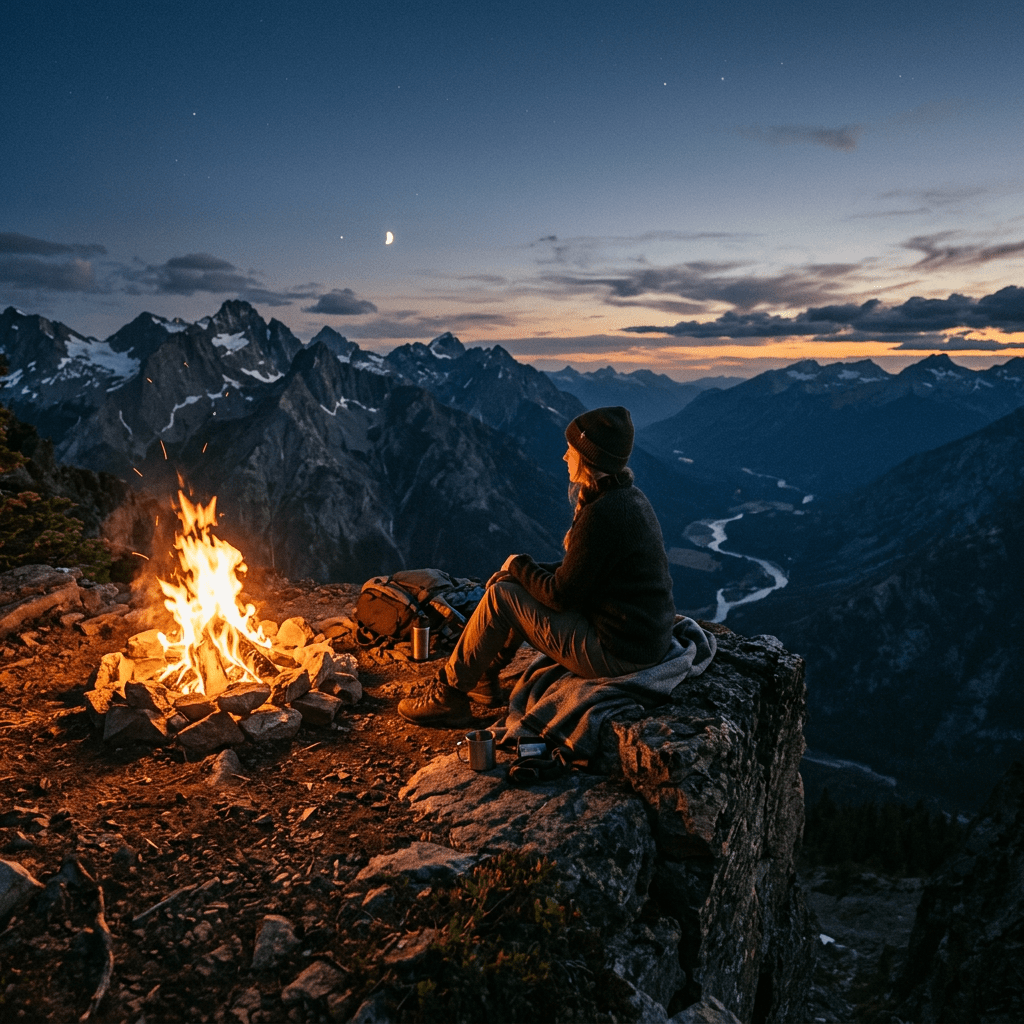
there was a fire.
Not a great fire,
not one that called crowds from distant roads,
but a small and stubborn flame
kept alive through long nights
by a man who had learned
that silence could be sacred
and loneliness could wear the face of prayer.
He called that place
Unplugged Pagan.
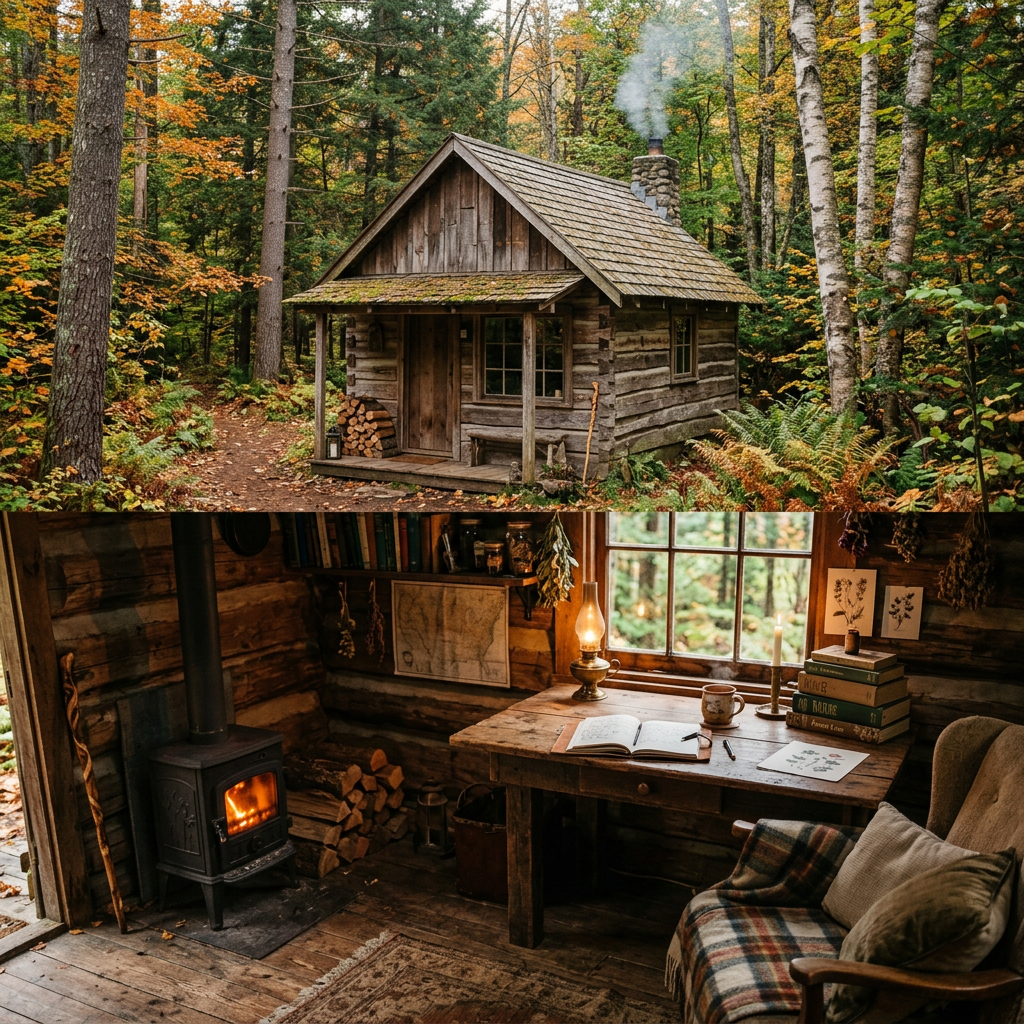
There he wrote beneath the fir trees
of Brigid’s flame
and Skadi’s winter breath,
of old gods, old wounds,
and the restless creature running
between root and branch
carrying rumours from one world to another.
He wrote of kith and kin,
of gifts that carried obligation,
of honour that should survive
even when friendship did not.
He wrote because the modern world
had grown too loud.
He wrote because sacred things
were being polished for display
while their roots were left to rot.
He wrote because somewhere inside him
was an old and wordless knowing:
that a place could call itself home
and still forget how to shelter people.
That a community could speak of kinship
while quietly weighing loyalty
against convenience.
That a gift could be accepted,
a hand could be welcomed,
a name could be remembered—
until remembrance became costly.
The fire taught him to watch.
To notice when language changed.
When stewardship became ownership.
When gathering became management.
When sacred land became an asset.
When the people who had carried stones,
lifted tents, tended flames,
and returned year after year
were slowly recast as customers.
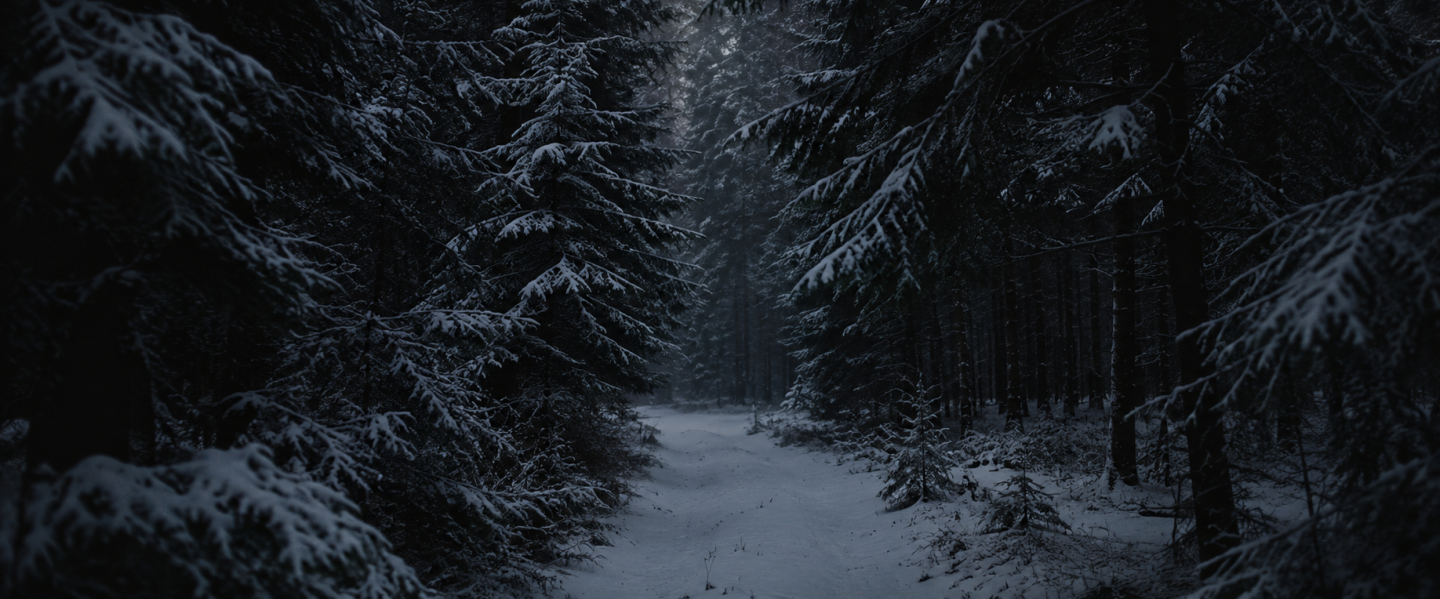
He saw it first in the forest.
The roots still held.
The needles still covered the earth.
The old paths still remembered feet.
But something had shifted.
The trees were still standing,
yet the forest had begun
to forget itself.
So he wrote:
Do not cut away the fallen things.
Do not mistake what looks useless
for what keeps the ground alive.Do not forget the roots.
But the world rarely listens
to warnings spoken softly.
Then came the ledge.
It did not appear all at once.
It formed beneath him
through years of labour,
through early mornings and late nights,
through promises made by people
who trusted his hands
more than they valued the man attached to them.
He built for others.
He solved.
He carried.
He returned.
He gave the strength of his body,
the attention of his mind,
and the better part of his faith
to structures he believed
would hold.
Then the ropes were cut.
No raven warned him.
No god stepped from the snow.
No ancestral voice said:
This is the morning
your life will divide itself
into before and after.
There was only the closing of a door,
the thin language of business,
and the terrible discovery
that loyalty is often praised most loudly
by those who do not intend to return it.
He did not fall cleanly.
He remained suspended
between rage and disbelief,
between the instinct to fight
and the exhaustion of having fought too long.
The fire from Unplugged Pagan
was still burning behind him.
Now it lit the ledge.
Its old questions followed him there:
What is honour
when honour is not returned?
What is a gift
after the giver betrays the bond?
What is kinship
when gold and silver
are placed upon the scale?
What is sacred
when those entrusted with it
choose control over care?
From those questions
he built another place.
He called it
Standing on the Ledge.
But it was not separate from the fire.
The ledge was where the fire had led him.
The pagan writing had taught him
to see betrayal as more than injury.
It was a breach of bond.
A tearing of frith.
A failure of stewardship.
A choice to take what had been freely given
and deny the meaning of the gift.
So he brought the old language
into the wreckage of the modern world.
He wrote of impact
as though naming the wound
might stop the bleeding.
He wrote of triage
because even a soul must be stabilized
before it can be rebuilt.
He wrote of systems
because chaos becomes less frightening
when given shape.
He wrote of gaining territory
because survival is not merely
standing still in the ruins.
It is claiming ground
from the forces that reduced you.
Yet behind every phase,
behind every framework,
behind each disciplined lesson,
there remained the firekeeper.
The same man who had once asked
what remained sacred
now asked what remained salvageable.
The same man who had written
about the health of forests
now studied the collapse of organizations.
The same man who warned
against cutting off roots
now searched through the roots of his own life
for something strong enough
to hold him.
Unplugged Pagan
gave Standing on the Ledge its soul.
Standing on the Ledge
gave Unplugged Pagan a wound
it could not romanticize.
The two became one voice.
One spoke in ritual,
the other in recovery.
One spoke of gods,
the other of systems.
One spoke of land,
the other of labour.
One asked what was sacred.
The other asked
what happens when sacred trust
is treated as expendable.
And together they spoke
of the same tragedy:
that people will accept your fire
without accepting responsibility
for keeping you warm.
They will gather under the roof
you helped raise
and later tell you
that you misunderstood your place.
They will call you family
when labour is needed.
They will call you difficult
when memory becomes inconvenient.
They will praise loyalty
until loyalty demands reciprocity.
They will speak of community
until community interferes
with ownership.
And still he wrote.
Some nights as a pagan.
Some nights as a survivor.
Most nights as both.
He wrote with Brigid’s flame
beside legal papers.
He wrote of frith
while sorting evidence.
He wrote of gods and ancestors
while calculating lost hours.
He wrote of forests
while charting organizational failure.
He wrote of betrayal
in two languages—
one ancient,
one administrative.
Neither language
made the loss less real.
He had chosen kith and kin
over gold and silver.
And found that those words
were easiest to honour
when no sacrifice was required.
He had believed gifts formed bonds.
He had believed labour formed belonging.
He had believed sacred language
placed limits upon conduct.
He had believed a home
was more than property.
He had believed a promise
was heavier than profit.
The tragedy was not merely
that he had been wrong.
It was that for a time
he had been right.
There had been warmth.
There had been laughter.
There had been a sense of place.
There had been hands around the fire
and voices calling one another kin.
That was what made the ending cruel.
A lie is easier to survive
when it was always a lie.
But what do you do
when something true
slowly chooses to become false?
What ritual returns a home
to the people it forgot?
What framework repairs
a community that remembers your work
but not your worth?
What phase comes after betrayal
when the betrayer still uses
the language of welcome?
He found no answer.
So he kept writing.
He wrote because silence
would leave the story
in the hands of those
who benefited from forgetting.
He wrote because memory
is sometimes the only grave
the truth is given.
He wrote because another person
would one day stand
where he had stood—
between the forest and the cliff,
between prayer and collapse,
between what had been promised
and what had actually been done.
And that person might need
more than comfort.
They might need a map.
A fire.
A warning.
A witness.
So he stood on the ledge
with Unplugged Pagan burning inside him.
Not behind him.
Not separate.
Inside him.
The flame and the fall
had become inseparable.
The old gods watched
without explanation.
The trees held their silence.
The hall beyond the forest
glowed with other people’s celebration.
The world continued
as though nothing sacred
had been broken.
But the firekeeper knew.
He knew what had been given.
He knew what had been taken.
He knew the difference
between a request for consideration
and a demand for obedience.
He knew the difference
between stewardship and possession.
He knew the difference
between community
and the performance of community.
And when dawn finally came,
it did not rescue him.
It only revealed
how much of the landscape
had been built upon forgetting.
Still, he remained.
One hand against the stone.
One hand over the flame.
A pagan on the ledge.
A survivor in the grove.
A man preserving the embers
of everything others had decided
was no longer profitable to remember.
And into the cold morning
he spoke—not loudly,
but clearly enough
for the roots to hear:
The fire came first.
The ledge came after.
And everything I built upon the ledge
was lit by what the fire taught me.I kept both alive.
You forgot what either one was for.
 Unplugged Pagan